
Australian Wedding Guest Outfit Guide 2026
Weddings in Australia are their own genre of dressing. A single season can deliver a beach ceremony in Noosa, a winery reception in the Barossa and a black-tie evening in Sydney — sometimes for guests attending all three. Getting wedding guest outfits Australia right means understanding the dress code, the season, the venue and a handful of local rules that nobody writes on the invitation.
This guide walks through every dress code you will actually encounter on an Australian wedding invitation, how to dress for each season and venue type, and the etiquette rules that keep you firmly in “great guest” territory. No invented rules, no overseas advice that doesn’t translate — just what works here.
Decoding the Dress Code on the Invitation
The dress code line is the single most important sentence on the invitation. Australian couples use a fairly consistent vocabulary, and misreading it is the most common outfit mistake.
Cocktail / smart casual
The most common dress code for Australian weddings. For women: a cocktail dress, dressy jumpsuit or polished separates — think knee to midi length, elevated fabrics. For men: suit or blazer with trousers, shirt, and usually a tie. This is not “casual” — jeans, shorts and sneakers are still wrong.
Formal / black tie
For women: floor-length gowns or very dressy cocktail dresses in luxe fabrics. For men: dinner suit (tuxedo) — this is one of the few occasions the tuxedo comes out. Black tie in Australia usually means a proper evening event, often in a city venue or grand ballroom.
Beach / tropical / destination
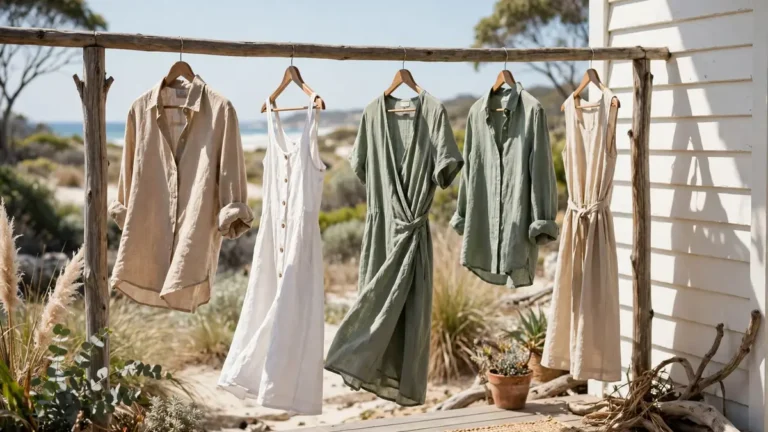
For women: light, flowy maxi dresses or dressy midi dresses in breathable fabrics. Flat or low sandals. For men: linen shirt and trousers or a light suit, no tie, leather sandals or loafers acceptable. The goal is polished but heat-proof — more on this below.
Theme or “creative” dress codes
Some couples specify a colour palette or theme. Follow it in spirit, not costume. If the invitation says “garden party pastels,” wear pastels — you don’t need to look like the wedding cake.
What to Wear in Each Australian Season
Season matters enormously because Australian weddings run year-round and the climate varies wildly by state. A February wedding in Perth and a July wedding in Hobart are different planets.
Summer (December–February)
Summer weddings are the most common and the most punishing. Ceremonies in full afternoon sun, outdoor photos at golden hour, receptions in warm marquees. Choose breathable fabrics — linen, cotton, silk blends — and lighter colours that reflect heat. Sleeveless and short-sleeved options make sense; a wrap or light shawl covers you for air-conditioned receptions.
Men should consider unlined or half-lined suits in light colours. A full black wool suit at a 2pm February outdoor ceremony is a genuine health risk. Linen shirts with tailored trousers are acceptable at less formal summer weddings.
Autumn (March–May)
Arguably the best-dressed wedding season. Mild temperatures mean you can wear structured dresses, real sleeves and proper tailoring without melting. March in particular is peak wedding season across the southern states. A midi dress with sleeves, or a suit in a mid-weight fabric, works almost anywhere.
Winter (June–August)
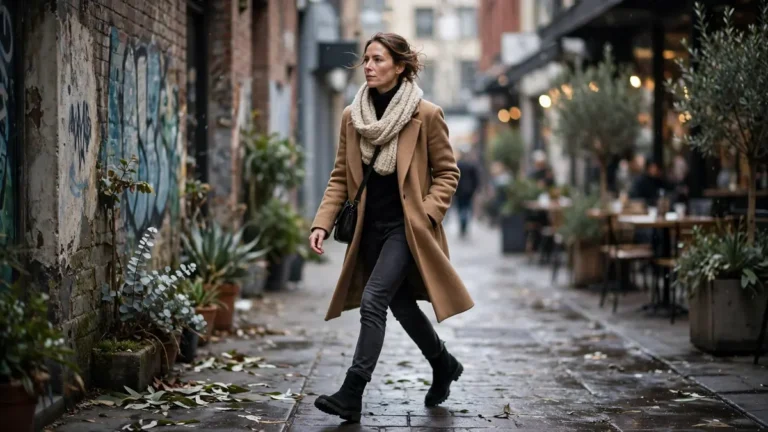
Winter weddings in Sydney, Melbourne and Adelaide are genuinely cold events. Outdoor ceremonies happen and guests stand around in 10-degree weather. Dress accordingly: long sleeves, heavier fabrics, a proper coat or wrap as part of the outfit — not an afterthought. Velvet, crepe and heavier silks look right. Men get to wear their best wool suits; a overcoat is expected, not overdressed.
In Queensland and the Northern Territory, “winter” is mild and outdoor weddings continue much as summer ones do — check the venue location, not just the month.
Spring (September–November)
Beautiful but volatile. Spring weddings bring stunning garden venues and unpredictable weather — hail at a September ceremony is not unheard of in Melbourne. Layers are the answer: a dress with a coordinating jacket, wrap or blazer built into the plan. Closed-toe shoes are wise since spring lawns can be damp.
Beach and Outdoor Weddings: The Australian Speciality
More than any other country, Australia does outdoor weddings — beaches, clifftops, vineyards, national parks. They are gorgeous and they are outfit traps.
The beach wedding playbook
- Fabric first: lightweight, flowy fabrics that move in the sea breeze — chiffon, georgette, linen blends. Avoid stiff structured dresses that fight the wind.
- Heel height zero: you will be on sand. Wedges, block heels or elegant flats only. Many beach brides explicitly welcome barefoot-friendly footwear.
- Wind plan: a fitted or weighted hemline beats a full circle skirt in coastal wind. Bring a hair tie — beach wind and elaborate hairstyles are enemies.
- Sun: beach ceremonies mean direct sun. Sunscreen, sunglasses for arrival, and a hat is fine for the ceremony if it suits the dress code.
Vineyard, farm and garden venues
The dress code is usually the same as a standard wedding, but the ground is the issue: gravel driveways, grass, uneven terrain. Block heels or wedges are essential — stilettos sink into vineyard soil just as badly as racecourse lawns. A pashmina or wrap earns its place at outdoor evening receptions when the temperature drops after sunset.
Wedding Guest Outfits Australia: Etiquette Rules That Matter
These are the rules that experienced guests follow without thinking. Break them and people notice.
Never wear white (or anything close)
The one universal rule. White, ivory, cream, champagne and very pale pastels are all off-limits unless the couple has explicitly asked guests to wear white. This applies to men too — a cream suit at someone else’s wedding is a statement nobody asked for.
Don’t upstage the bridal party
If you know the bridesmaids are in sage green, don’t wear sage green. If the wedding has a stated colour palette, dress around it, not inside it. When in doubt, ask the couple or someone in the bridal party.
Black is fine (with caveats)
Unlike some cultures, black is broadly acceptable at Australian weddings — it is a wedding staple in Sydney and Melbourne. The caveat: make it celebratory. A black dress with colour in the accessories, or a black suit with a lively tie, reads “wedding.” Head-to-toe funereal black reads “wrong event.”
Respect cultural and religious venues
Church, temple, mosque and synagogue weddings may have modesty expectations — covered shoulders, longer hemlines, head coverings. The invitation usually hints at this; if the venue is a place of worship, dress conservatively for the ceremony regardless of how the reception is styled.
Plus-ones and kids
If children are invited, dress them as mini versions of the dress code — and bring a backup outfit. If kids aren’t invited, don’t bring them. Both are etiquette, not fashion, but they affect the day more than any outfit choice.
Outfit Ideas by Wedding Style
The city black-tie wedding
Floor-length gown in a rich colour or classic black, elegant heels, a small clutch, refined jewellery. Men: dinner suit, black bow tie, patent or polished dress shoes. Grooming should be immaculate — this is the most photographed you will be all year.
The winery wedding
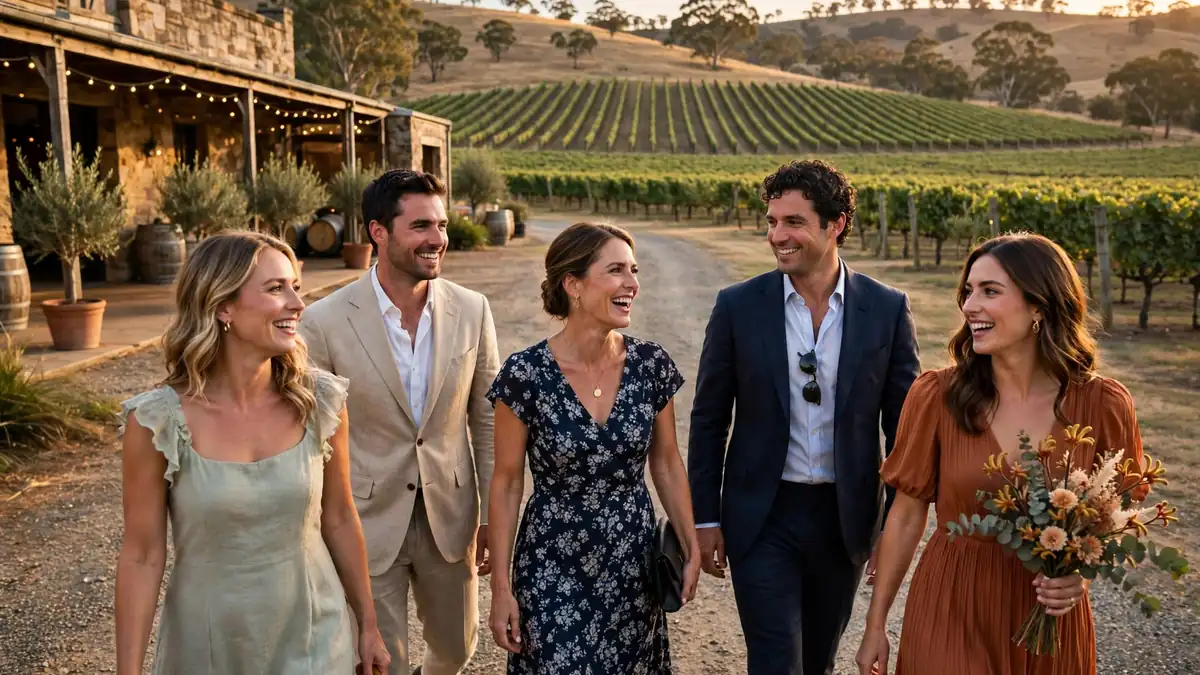
Midi dress in a warm-season print or solid colour, block heels, a wrap for the evening. Men: suit without tie, or blazer and trousers with an open collar. Colours that work with the landscape — terracotta, olive, deep greens — photograph beautifully against vineyard rows.
The beach wedding
Flowy maxi dress, flat embellished sandals, minimal jewellery that won’t tangle in the wind. Men: linen shirt (tucked, sleeves can be rolled), tailored shorts or trousers depending on formality, loafers or clean leather sandals.
The backyard / casual wedding
“Casual” on an Australian wedding invitation rarely means truly casual. A sundress or smart separates for women; chinos or trousers with a collared shirt for men. Still no shorts, still no thongs — unless the couple has genuinely specified beach-casual.
Hair, Makeup and Grooming
Wedding guest grooming should be polished but not bridal. The goal is to look like the best version of yourself, not a member of the bridal party.
- Hair: styled but not overdone. Up-dos photograph well and survive dancing; loose waves work for outdoor weddings. Book hair trials for formal weddings.
- Makeup: long-wear products are worth it — ceremonies, photos, tears, dancing. Waterproof mascara for outdoor weddings is practically mandatory.
- Nails: neat and neutral-to-pretty. You will be in photos holding drinks and clapping.
- Men: fresh haircut a week before (not the day before), clean shave or groomed beard, trimmed nails. The photos last forever.
Practicalities: What to Bring and How to Plan
The guest survival kit
- A wrap, pashmina or jacket — even in summer, for air-conditioning and evening temperature drops.
- Comfortable backup shoes or heel protectors for grass venues.
- Tissues, mints, bandaids and safety pins — the universal wedding guest kit.
- Sunscreen and sunglasses for outdoor ceremonies.
- A small amount of cash for wishing wells or wishing trees, if the couple has one.
Timing and logistics
Arrive at least 20 minutes before the ceremony start time — late arrivals disrupt the aisle and the photos. Plan transport in advance: regional venues often have limited rideshare coverage, and many couples organise shuttle buses worth using. If you are travelling interstate, confirm accommodation early; wedding weekends book out regional towns completely.
For outdoor weddings, check the Bureau of Meteorology forecast the morning of the event — it is the most reliable Australian source for deciding whether that wrap stays in the bag or goes on your shoulders.
Budgeting the Outfit Without Looking Budget
Wedding season can mean three or four weddings in a few months, and buying a new outfit for each is unrealistic for most people. The trick is a small rotation of versatile pieces: one formal dress, one cocktail dress, one set of separates that can be restyled with different accessories. Different shoes, bag and jewellery can make the same dress feel new.
Hiring is mainstream now — designer dress rental services operate in every capital city and by post nationally. For black-tie weddings especially, hiring a gown you could never justify buying is the smart move. Men can hire dinner suits just as easily.
Common Wedding Guest Outfit Mistakes
A few mistakes show up at Australian weddings again and again. Wearing something too similar to the bridal party’s colour is the classic — if in doubt, message someone who knows. Overdressing for a casual wedding is almost as awkward as underdressing for a formal one, so take the stated dress code at face value rather than second-guessing it.
Uncomfortable shoes are the mistake guests regret most by the end of the night. New heels should be broken in before the wedding, and venues with grass, gravel or sand demand block heels or flats — full stop. Finally, forgetting sun protection at an outdoor ceremony: the photos will show the sunburn long after the day is forgotten.
FAQs
What should I wear to a wedding in Australia as a guest?
Follow the dress code on the invitation, dress for the season and venue, and avoid white. Cocktail attire is the most common dress code — a cocktail dress or dressy jumpsuit for women, a suit for men.
Can you wear black to a wedding in Australia?
Yes, black is widely acceptable at Australian weddings. Keep it celebratory with colourful accessories rather than head-to-toe funereal black, and check it doesn’t clash with the bridal party’s colours.
What do you wear to a beach wedding in Australia?
Light, flowy maxi or midi dresses in breathable fabrics with flat or wedge sandals for women; linen shirt and tailored trousers for men. Plan for wind, sun and sand underfoot.
What is the dress code for a winter wedding in Sydney or Melbourne?
Winter weddings in the southern capitals are cold — long sleeves, heavier fabrics like velvet or crepe, and a proper coat or wrap as part of the outfit. Outdoor ceremonies in 10-degree weather are common, so dress for standing around outside.
Can men wear shorts to an Australian wedding?
Almost never. Even at beach weddings, tailored trousers are the expectation. Shorts are only acceptable if the couple has explicitly specified a genuinely casual dress code.
How early should I arrive at a wedding ceremony?
At least 20 minutes before the stated start time. Late arrivals disrupt the processional and the photography, and at outdoor venues there may be a walk from parking to the ceremony site.