
Australian Winter Fashion Essentials 2026
Getting your Australian winter fashion essentials right in 2026 comes down to one uncomfortable truth: Australian winter is not cold enough for a proper winter wardrobe, but it is absolutely cold enough to be miserable in the wrong clothes. June through August brings frosty Canberra mornings, damp Melbourne weeks that never quite warm up, and Sydney days that swing from crisp sunshine to sideways rain. The Bureau of Meteorology’s long-range outlooks consistently show winter temperatures varying sharply by region — which is why the smart Australian winter wardrobe is built on layering, not bulk. Here is everything you actually need, city by city.
Know Your Winter: City by City
Before buying anything, understand what you are dressing for. Winter in Darwin barely dips below 20 degrees — a light jacket is the entire wardrobe. Brisbane winters are mild and dry, with chilly mornings giving way to pleasant afternoons; a good knit and a medium-weight jacket cover it. Sydney sits in the middle: daytime temperatures are comfortable, but mornings are sharp and the wind off the harbour bites — and the Bureau of Meteorology’s climate outlooks are worth checking for how each season is shaping up. Melbourne is the real deal for southern winters: grey, damp, persistently cool, with temperatures that hover in the low teens for weeks. Canberra is colder still — winter nights regularly drop below zero, and the Bureau recorded a -6.2°C night at Tuggeranong in winter 2026. Hobart brings genuine cold with a wind chill that demands proper outerwear.
The takeaway: if you live in Melbourne, Canberra or Hobart, invest in a real winter coat. Everywhere else, a quality layering system will serve you better than one heavy coat you wear twice.
The Layering System That Actually Works
Layering is not just a buzzword — it is the only strategy that handles Australian winter’s daily temperature swings. The system has three parts, and each one earns its place.
Base layer: warmth without bulk
Merino wool is the gold standard for base layers in Australia. It regulates temperature, resists odour for multiple wears, and stays warm even when damp — which matters in Melbourne’s drizzle. A merino long-sleeve top under a shirt or knit adds genuine warmth without changing how you look. For the coldest cities, merino leggings under trousers or jeans are a quiet revelation.
Mid layer: the workhorse
This is where your knitwear lives. The mid layer provides insulation and is the part of the outfit people actually see indoors, so it needs to look good on its own. Crew-neck and turtleneck knits in merino or cashmere blends are the core pieces — more on those below.
Outer layer: weather protection
The outer layer blocks wind and rain. In Sydney and Brisbane, a water-resistant trench or a quality wool-blend coat is enough. In Melbourne, Canberra and Hobart, you want something with real heft: a proper wool overcoat, a down-filled parka for the worst days, or a classic oilskin like Driza-Bone for rural and outdoor life.
The Coat: Your Biggest Decision
If you buy one significant winter piece, make it the coat. It is the most visible thing you own for three months, and a good one lasts a decade.
The wool overcoat
The single most versatile winter coat for Australian cities. A knee-length wool overcoat in camel, navy, charcoal or black works over tailoring and over jeans alike. Look for at least 70% wool content — anything less will not keep its shape or warmth. Expect to pay $300 to $600 at Australian retailers like Country Road, Witchery and M.J. Bale for quality versions. Buy it slightly roomy so it layers over a blazer or thick knit.
The puffer and parka
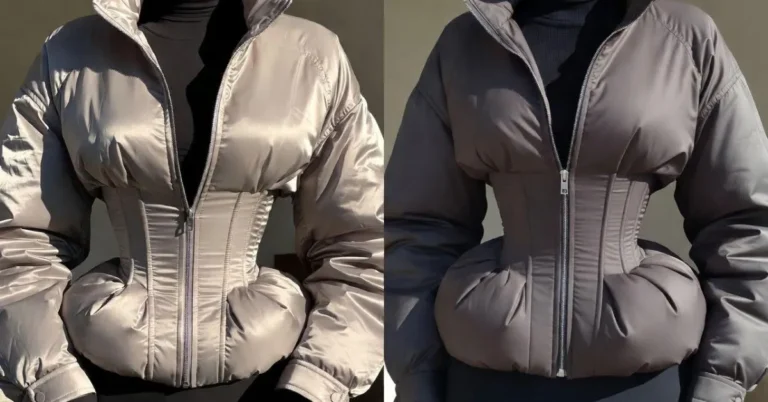
Down-filled puffers have earned their place even in fashion-conscious wardrobes — on a wet 8-degree Melbourne morning, nobody is judging. A matte-finish puffer in black or navy looks intentional rather than sporty. For Canberra and Hobart winters, a longer parka with a hood is genuinely practical, not just fashionable.
The trench coat
The trench is Sydney winter’s perfect coat: water-resistant, sharp, and exactly warm enough for a city where winter rarely gets serious. A classic beige or navy trench over knitwear and trousers is one of the best-dressed looks in the country from June to August. It also handles the spring and autumn shoulders, which stretches the cost per wear beautifully.
Knitwear: The Heart of the Wardrobe
Australian winter style lives and dies on knitwear. These are the pieces to prioritise.
The merino crew-neck
The workhorse. A merino crew-neck in navy, grey, camel or black goes with everything, layers under everything, and looks polished on its own. Country Road, Witchery and Uniqlo all do reliable versions at various price points. Buy the best quality you can afford — cheap knitwear pills within weeks, good merino lasts years.
The turtleneck
The turtleneck is winter’s most flattering neckline and its most practical: it eliminates the need for a scarf in all but the coldest weather. A black or charcoal turtleneck under a blazer or overcoat is effortlessly sharp for both men and women. Ribbed knits add texture and look more expensive than they are.
The chunky knit
For weekends and casual days, a chunky cable-knit or fisherman’s rib sweater in cream or oatmeal is the cosiest thing you can own. Wear it with jeans and boots and you are done. This is the piece that makes winter enjoyable rather than endured.
The cardigan
Underrated and due for appreciation: a good cardigan is the most versatile layer in existence. Fine-gauge merino cardigans work in the office; chunky shawl-collar versions handle weekends. For women, a longline cardigan over a dress extends summer pieces deep into winter.
Boots: The Foundation
Winter footwear in Australia needs to handle rain, cold pavements and the occasional frost — while still looking like you made an effort.
Chelsea boots
The R.M. Williams Craftsman at $699 is the benchmark for a reason: weather-resistant leather, resoleable construction, and a silhouette that works with suits and jeans alike. For women, a quality leather Chelsea or ankle boot in black or tan is equally indispensable. This is the highest cost-per-wear footwear purchase most Australians will ever make.
Knee-high boots
For women, knee-high leather boots are winter’s hardest-working shoe: they pair with dresses, skirts and skinny or straight-leg trousers, add warmth where tights leave off, and instantly sharpen a casual outfit. A block heel makes them walkable all day.
Weatherproof options
Melbourne’s winter demands at least one pair of genuinely weatherproof shoes — water-resistant leather or treated suede with a proper tread. Save the delicate suede heels and white sneakers for dry days.
Trousers, Denim and Dresses
Dark denim is winter’s default: indigo and black jeans in a straight or slim cut work for almost everything casual. For smarter days, wool-blend trousers or corduroy add warmth and texture — cords in particular are a winter pleasure that deserves a comeback in every wardrobe. Women can extend their dress collection with opaque tights (at least 80 denier for real warmth), knee-high boots and a knit layered over the top. A midi dress with a turtleneck underneath and boots is a complete winter outfit, not a compromise.
Accessories That Earn Their Keep
- Scarves: a quality wool or cashmere scarf in a neutral colour transforms every coat you own. Oversized wraps double as blankets on cold commutes.
- Gloves: leather gloves for the city, proper insulated gloves for Canberra mornings and alpine trips. Touchscreen-compatible fingertips are worth seeking out.
- Beanies: a simple ribbed merino beanie in black, grey or navy. You lose significant heat through your head, and beanies are the easiest warmth-per-dollar in existence.
- Umbrellas: a compact, windproof umbrella lives in the bag from June to August in Sydney and Melbourne. Buy one with a proper frame — cheap umbrellas invert in the first southerly.
Winter Wedding and Event Dressing
Winter weddings in Australia call for a different playbook than summer ones. Women: long sleeves or a beautiful wrap, closed-toe heels, and fabrics with some weight — velvet, crepe and heavy satin all suit the season. A faux-fur stole or structured coat completes the look and keeps you comfortable through outdoor photos. Men: this is peak suit season — a proper wool suit in navy or charcoal, a crisp shirt, and an overcoat for arrival. Winter is when Australian men look their best, because the climate finally cooperates with tailoring.
The Alpine Exception
If your winter includes Thredbo, Perisher or Falls Creek, you need a separate category of clothing entirely: proper ski gear. A waterproof-breathable shell jacket, insulated mid-layers, merino base layers, ski socks and waterproof gloves are non-negotiable, and regular winter fashion does not substitute. Hire the hard gear (skis, boots, helmet) and invest in the layers you will also wear in the city — good merino base layers and a quality puffer earn their keep long after the snow trip ends.
Caring for Winter Clothes
Wool needs rest between wears — rotate knitwear rather than wearing the same sweater daily, and air garments instead of washing after every wear. Use a cashmere comb or fabric shaver to keep knits looking new, and store winter coats with room to breathe rather than crammed in a wardrobe. Waterproof leather boots with a proper protector spray before the season starts, and reapply mid-winter. Moths love neglected wool: store off-season knits clean, in sealed bags, with cedar or lavender as a deterrent. Finally, get your boots resoled and your coat dry-cleaned at winter’s end — putting things away clean and repaired means next June you simply open the wardrobe and dress, instead of facing a pile of maintenance.
What Not to Buy
A few honest warnings before you spend. Do not buy a heavy European-style winter wardrobe — the kind designed for sub-zero months — unless you live in Canberra, Hobart or the alps; in most Australian cities it will sit unworn. Do not buy cheap knitwear in acrylic blends: it pills within weeks, holds odour and never looks as good as the merino version that costs twice as much but lasts ten times longer. Do not buy white or pale suede boots for a Melbourne winter — the rain will ruin them by July. And do not buy a coat you cannot layer under: if it only fits over a t-shirt, it is a spring jacket with ambitions, not a winter coat.
FAQs
What are the essential clothes for an Australian winter?
The core Australian winter wardrobe is: a quality wool overcoat or warm parka, merino knitwear (crew-necks and turtlenecks), dark denim or wool trousers, leather Chelsea or ankle boots, and accessories — scarf, beanie and gloves. The key is layering: base, mid and outer layers that handle daily temperature swings.
How cold does it get in Australia in winter?
It varies enormously. Darwin barely drops below 20°C, Brisbane mornings can hit single digits, Sydney and Melbourne sit in the low-to-mid teens during the day, and Canberra regularly drops below zero overnight — the Bureau of Meteorology recorded -6.2°C at Tuggeranong in winter 2026. Hobart is cold with a biting wind chill. Check the Bureau’s outlooks for your city before investing in heavy gear.
Do I need a heavy winter coat in Sydney?
Usually not. Sydney winters are mild enough that a water-resistant trench coat or medium-weight wool-blend coat handles most days. Save the heavy down parka for Melbourne, Canberra, Hobart or alpine trips — in Sydney it would spend the season in the wardrobe.
What is the best winter coat for Melbourne?
A proper wool overcoat (at least 70% wool) in navy, charcoal or camel is the most versatile Melbourne winter coat — it handles the damp cold and looks sharp. For the wettest, coldest stretches, a down-filled puffer or parka is the practical choice. Most Melburnians own both.
How should I layer clothes for Australian winter?
Three layers: a merino base layer for warmth without bulk, a knit mid-layer (crew-neck or turtleneck) for insulation, and a wind- and water-resistant outer layer. This system handles the 10-to-15-degree daily swings common in southern cities far better than one heavy garment.