
Festival Fashion Australia: Splendour in the Grass and Beyond
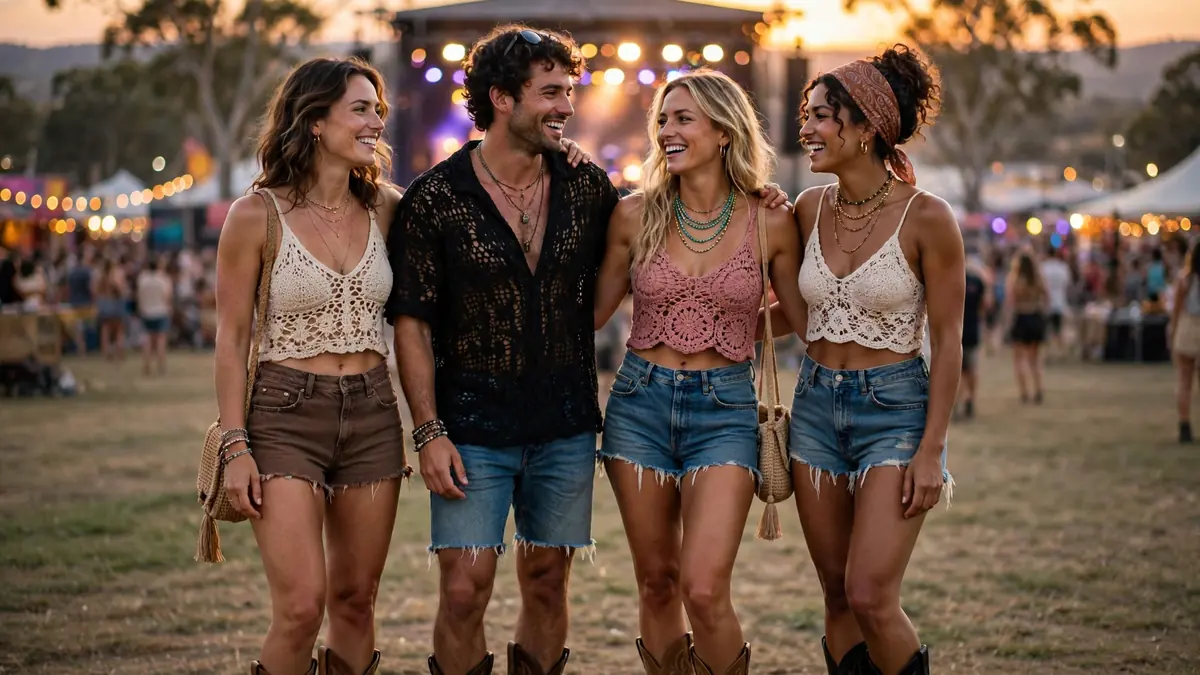
Ask anyone to picture festival fashion Australia and a very specific image appears: denim shorts, vintage band tees, fringe, boots, flower crowns and a fine layer of red dust or Byron mud, depending on the year. For two decades, Splendour in the Grass defined that aesthetic — three days at North Byron Parklands in the middle of winter, where the weather did whatever it wanted and the outfits had to keep up.
This guide is about dressing for Australian music festivals as they actually are: often muddy, frequently cold, sometimes scorching, and always a long day on your feet. Whether you are heading to a multi-day camping festival or a single-day city event, here is how to look the part without regretting it by day two.
What Defined the Splendour Look
Splendour in the Grass ran annually from 2001 at Ngarindjin/North Byron Parklands in New South Wales, growing into Australia’s biggest winter music festival with crowds of around 50,000. Previous headliners included the likes of Kendrick Lamar, Tame Impala, The Strokes, Lizzo and Coldplay. The festival was cancelled in 2024 and again in 2025, with organisers saying it needed time to recharge — you can read the full story of its second-year cancellation for context.
But the style legacy remains, and it is worth understanding because it shaped how Australians dress for festivals full stop. The Splendour look was built on practicality meeting self-expression: layers for 8-degree nights, boots for the famous mud, and enough personality to stand out in a crowd of fifty thousand.
The signature elements
- Denim everything: shorts, jackets, cut-offs. Denim handles mud, rain and campfire smoke and still looks right.
- Layers, always: July in Byron Bay is mid-winter. Days might hit 20 degrees, nights drop toward single digits. The uniform was a tee, a flannel or knit, and a jacket — worn in various combinations.
- Boots: Chelsea boots, combat boots, or gumboots when the rain came. White sneakers were a rookie error.
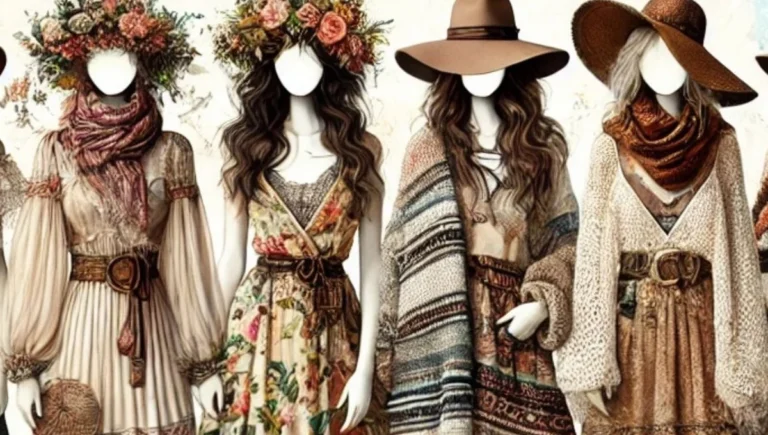
- Statement pieces: vintage finds, handmade jewellery, bold prints. Festivals reward the outfit you would never wear to work.
Winter Festivals: Dressing for Cold, Mud and Rain
The biggest mistake at Australian winter festivals is treating them like summer festivals with a jacket thrown on. Winter events — traditionally July and August — demand a completely different kit. Nights are genuinely cold, the ground is often wet, and you will be outside for 10–12 hours.
The layering formula
Thermal base layer, mid layer (knit or flannel), outer layer (water-resistant jacket). This sounds unglamorous, but it is the difference between enjoying the headliner and shivering through it. The trick is making the layers look intentional: a good flannel shirt, a vintage knit, a denim or leather jacket on top. Festival style is one of the few contexts where visible layering looks better than a single polished garment.
Footwear is everything
Mud is the defining feature of winter festivals. Proper waterproof boots — not fashion boots with no grip — are the single best investment. Gumboots are unglamorous and unbeatable when it rains. Break boots in before the festival; blisters on day one ruin the whole weekend.
- Gumboots: the nuclear option. Ugly, perfect.
- Leather boots with grip: Chelsea or combat styles, waterproofed.
- What to avoid: white sneakers, suede, anything you love.
Rain gear that doesn’t kill the look
A packable rain jacket beats a poncho for mobility, but a clear poncho over a good outfit is a legitimate festival look. The key is having it with you — festival rain arrives suddenly and the merch tent poncho costs three times what it should.
Summer Festivals: Heat, Dust and Sun
Summer festivals — the December-to-March outdoor season — flip the problem. Now it is heat, dust, and sunburn. The uniform shifts to breathable fabrics, hats, and serious sun protection.
Fabrics and fits
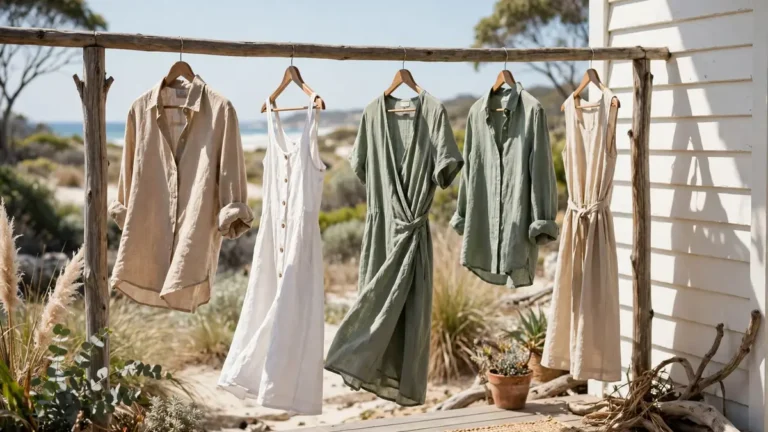
Linen, cotton, and lightweight synthetics. Loose fits that allow airflow. Shorts, singlets, and dresses in light colours. Dark colours absorb heat and show dust — light and bright is both practical and photogenic. A hat is not optional: wide-brimmed, bucket, or cap, whatever suits your face, but your head needs cover for eight hours in Australian summer sun.
Sun protection as outfit planning
Sunscreen needs reapplying every two hours at a festival, which means it has to be in your bag or bum bag, not at the tent. Sunglasses, a hat, and a light long-sleeve layer for the middle of the day are the difference between dancing at sunset and nursing sunburn in the shade. This is not fashion advice so much as survival advice that happens to affect your outfit.
The Festival Capsule: What to Pack for Three Days
Multi-day festivals are an exercise in packing discipline. You will live out of a bag or a tent, there are no outfit changes between sets, and laundry is not happening. Plan three days of outfits that mix and match.
The core kit
- Bottoms: 2–3 pairs — denim shorts or jeans, something comfortable for the tent.
- Tops: 3–4 that all work with all the bottoms. Tees, singlets, one nicer top for the evening.
- Layers: a warm mid-layer and a rain-proof outer layer, regardless of the forecast.
- Footwear: one pair of boots (worn), one pair of comfortable backups for the campsite.
- Accessories: hat, sunglasses, bum bag or small crossbody, bandana (dust, sweat, sun — endlessly useful).
- The unglamorous essentials: sunscreen, wet wipes, hand sanitiser, a warm beanie for winter nights, spare socks in a sealed bag.
What not to bring
Anything white, anything expensive, anything you would cry over losing in the mud. Festival lost property is a graveyard of good intentions. Leave the heirloom jewellery at home.
Festival Types and How the Dress Code Shifts
Not all Australian festivals dress the same. The crowd at a city laneway festival, a roots-and-blues weekend, and a bush doof are three different fashion tribes, and dressing for the wrong one is immediately obvious.
City and inner-city festivals
Single-day urban festivals — the laneway-style events in Melbourne, Sydney and Brisbane — skew younger and more fashion-forward. The outfits are bolder because the logistics are easy: no camping, no mud, a train home at the end. This is where you will see the most experimental looks — sheer layers, statement sets, coordinated group outfits. Comfort still matters (you are on your feet all day on concrete), but the fashion ceiling is higher.
Roots, blues and folk festivals
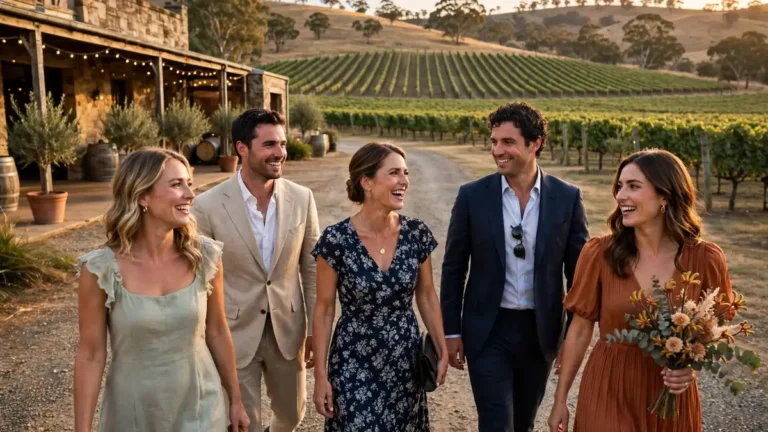
Weekend camping festivals with an older, roots-music crowd dress more practically: quality boots, denim, linen, Akubra-style hats. The vibe is less about making a statement and more about looking like you belong outdoors. Natural fibres, earthy colours, and footwear that has clearly seen festivals before. Trying too hard stands out here — relaxed confidence is the look.
Bush doofs and electronic festivals
The electronic and bush-party scene has its own distinct aesthetic: functional, often black, built for dancing until sunrise. Think technical fabrics, harnesses and utility details, comfortable shoes you can dance in for hours, and layers for the dramatic temperature drop after midnight. Neon and UV-reactive pieces appear after dark. Practicality rules — you need pockets, you need to move, and you need to stay warm at 4am.
Day Festivals vs Camping Festivals
Single-day city festivals
Easier logistics, higher fashion stakes. You can dress more boldly because you are going home to a shower. This is where the statement outfit lives — the full look, the good boots, the accessories. Arrive in the outfit; there is no tent to change in and no reason to hold back.
Multi-day camping festivals
Comfort and durability win. Plan outfits around a base that can be refreshed with different tops and accessories. Pack for the worst weather, not the forecast. And accept that by day three, everyone looks equally feral — the playing field levels itself.
Festival Beauty: Hair and Makeup That Lasts
Festival beauty is about longevity. Long-wear everything, minimal touch-ups, and styles that look better slightly undone.
- Hair: braids, space buns, or hair tied back under a hat. Loose hair plus wind plus sweat is a tangled regret.
- Makeup: tinted moisturiser with SPF, waterproof mascara, lip tint over lipstick. Glitter is a festival tradition — just know it will be on you for days.
- Nails: short and dark, or press-ons you don’t mind losing.
- Fragrance: skip heavy perfume. Deodorant and dry shampoo are the real festival beauty products.
Men’s Festival Fashion
The men’s festival uniform is well established: shorts or jeans, a tee or open overshirt, boots or sturdy sneakers, a hat. The differentiators are the details — a vintage shirt, good sunglasses, a bandana, a jacket with character. Avoid the full costume unless the festival has a theme; confident casual beats try-hard every time.
For winter festivals, men have it easier in one respect: the flannel-and-boots uniform is both warm and on-brief. Invest in a proper waterproof jacket rather than suffering through three days in a hoodie.
Accessories: The Details That Make the Look
At festivals, accessories do more work than the clothes themselves. A simple outfit with great accessories reads as intentional; a complicated outfit with none reads as confused.
- Bum bag or small crossbody: the only bag that works. Backpacks get in the way in crowds and anything bigger is a liability.
- Bandana or scarf: dust mask, sweatband, sun cover, makeshift bag — the hardest-working accessory in festival fashion.
- Hat: functional and stylistic. Bucket hats for summer, beanies for winter nights, wide-brim for sun.
- Jewellery: go bold but cheap. Layered necklaces, stacked rings, handmade pieces. Nothing you would grieve losing.
- Sunglasses: bring a pair you can afford to lose, and consider a backup. Festival sunglasses have a short life expectancy.
- Temporary extras: face gems, body glitter, temporary tattoos. Fun, cheap, and they wash off before work on Monday.
Sustainable Festival Dressing
Festivals are one of the worst contexts for fast fashion — outfits worn once, discarded, or destroyed by mud. The alternative is better anyway: op shops, vintage stores and clothing swaps are where the best festival outfits come from. A $15 vintage denim jacket beats a $15 fast-fashion top on every measure: durability, uniqueness, and how it looks in photos. Buy for the festival season, not for a single weekend. And when something does wear out, festival repair stalls and visible mending turn damage into character — a patched jacket tells a better story than a new one.
FAQs
What should I wear to an Australian music festival?
Dress for the season and the ground conditions. Winter festivals need layers, waterproof boots and rain gear; summer festivals need breathable fabrics, a hat and sun protection. Comfortable closed footwear is essential for multi-day events.
Is Splendour in the Grass happening in 2026?
No. Splendour in the Grass was cancelled in 2024 and again in 2025, with organisers saying the festival needed time to recharge. Its North Byron Parklands site has been placed on the market. The festival’s style legacy — layers, boots, denim — still defines Australian festival fashion.
What shoes should I wear to a festival?
Waterproof boots with grip for winter or muddy festivals; sturdy closed shoes for summer. Avoid white sneakers, suede, and anything you care about. Gumboots are the unbeatable choice when rain is forecast.
How do you dress for a winter festival in Australia?
Layer: thermal base, warm mid-layer, water-resistant outer layer. July nights at festivals like the old Splendour could drop toward single digits, so pack a beanie and warm socks too. Check the forecast but pack for worse.
What should men wear to a music festival?
Shorts or jeans, a tee or open overshirt, boots or sturdy shoes, and a hat. Vintage pieces and good accessories elevate the standard uniform. For winter, add flannel layers and a proper waterproof jacket.
How do I keep my festival outfit looking good for three days?
Pack mix-and-match pieces rather than three separate outfits, bring spare socks in a sealed bag, use dry shampoo and wet wipes, and accept that day-three festival style is its own aesthetic. Leave anything precious at home.