
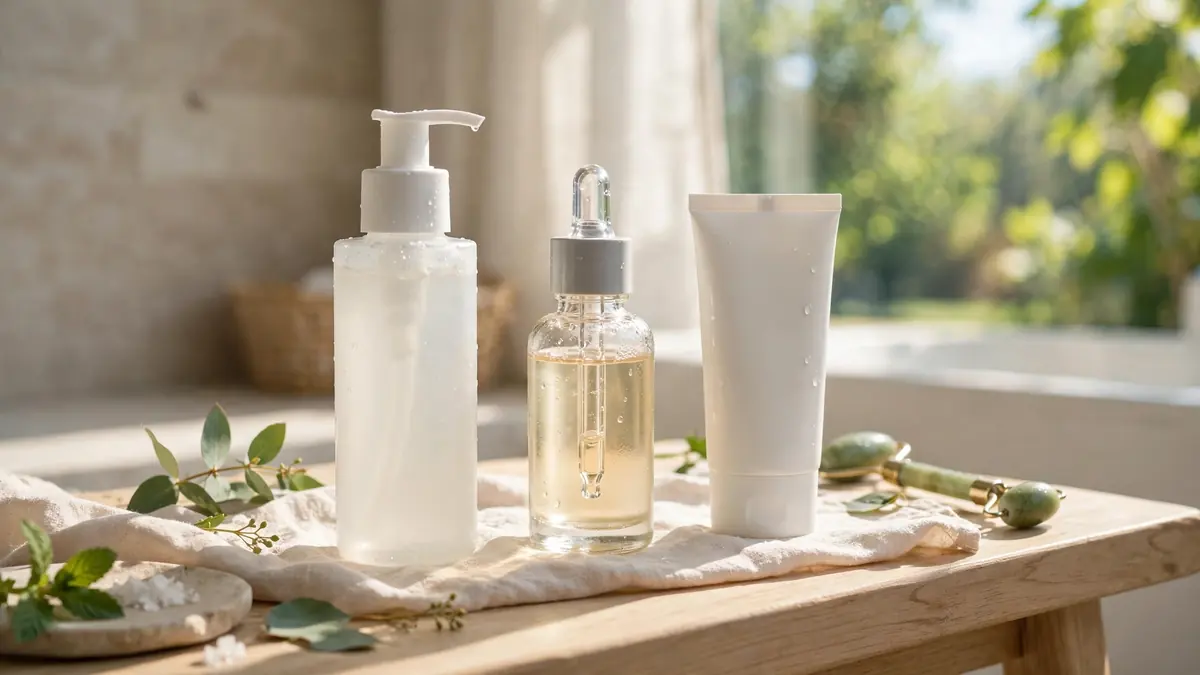
Skincare Routine for Australian Summer 2026
Your skincare routine for Australian summer needs to be a completely different beast from your winter one. December through February here means intense UV, high humidity in the north and east, 40-degree heatwaves in the south and west, and sweat that melts your morning routine off by 10am. What worked in July will feel heavy, greasy and pointless in January — and it might even be making things worse.
This guide builds a summer routine from the ground up: what to change, what to drop, and what to add for Australian conditions specifically. It’s written for real summers — Bondi in January, Brisbane’s humidity, Perth’s dry heat — not a generic “summer skincare tips” list copied from overseas.
How Australian Summer Affects Your Skin
Summer changes your skin in several ways at once. Heat and humidity ramp up oil production, which is why combination and oily skin types often feel slicker from November onwards — but even dry skin can feel oilier on the surface while still being dehydrated underneath. Sweat mixes with sunscreen and makeup, clogging pores and triggering breakouts along the hairline, jaw and chest.
Then there’s the UV. Australia’s summer UV index regularly hits extreme levels — 11+ in most capital cities through December and January — and UV damage is cumulative. Every unprotected summer adds to your lifetime tally of photoageing and skin cancer risk. Chlorine, salt water and air-conditioning add their own stresses: chlorine and salt are drying, while moving between 38-degree heat and frigid air-con confuses your skin’s barrier.
The practical upshot: summer skincare is about lightweight hydration, serious sun protection, and keeping pores clear — not about piling on rich creams and heavy actives that can’t survive the heat anyway.
The Morning Skincare Routine for Australian Summer
Morning is the most important routine of the day in summer, because everything you apply has to survive heat, sweat and UV. Keep it streamlined — four to five steps max. Layering seven products under sunscreen in 35-degree heat is a recipe for pilling and breakouts.
Step 1: Cleanse (gently)
You don’t need a harsh morning cleanse in summer, but you do need to remove overnight sweat, oil and any leftover night products. A gentle gel or light foam cleanser is ideal — something that cleans without stripping. If your skin runs very dry, a splash of lukewarm water plus a damp cloth can be enough on non-sweaty mornings. Avoid hot water; it strips the barrier your skin needs to cope with the day’s UV and heat.
Step 2: Lightweight hydrating serum
This is the step that replaces your heavy winter moisturiser. A hyaluronic acid or glycerin-based serum gives your skin the water it needs without the weight of a cream — crucial when humidity is already high and your skin is producing more oil. Apply to slightly damp skin so the humectants have water to grab onto. In very humid cities like Brisbane or Darwin, some people find a hydrating serum plus sunscreen is genuinely enough moisture for the day.
Step 3: Light moisturiser (optional, depending on skin type)
Oily and combination skin can often skip this step in summer, or use the tiniest amount. Dry and sensitive skin still needs it — look for a light lotion rather than a rich cream. The CeraVe Moisturising Lotion (around $16–$17 for 236ml at Chemist Warehouse and other chemists) is a classic for a reason: ceramides and hyaluronic acid in a lightweight, fragrance-free formula that layers well under sunscreen without pilling.
Step 4: Sunscreen — the step that matters most
SPF 50+, broad-spectrum, every single day, as the last step of your morning routine. In Australian summer this is non-negotiable — not just at the beach, but for the commute, the school run and sitting near windows. Apply a full teaspoon to your face and neck (most people use about half what they should), 20 minutes before heading out, and reapply every two hours when you’re in the sun.
For a sunscreen you’ll actually enjoy wearing daily, the Ultra Violette Supreme Screen SPF50+ (around $52 for 75ml at Adore Beauty) is Australia’s cult favourite — hydrating, satin-finish, and it sits beautifully under makeup. If you prefer something lighter and more affordable, Eaoron Sunscreen PRO SPF50+ (around $24.95) is a solid budget-friendly Australian option. Oily skin types might prefer the Ultra Violette Clean Screen SPF30 (around $39.20), which has a mattifying gel-cream texture.
Step 5: Makeup (if you wear it)
In summer, less is more. Heavy foundation plus sweat plus sunscreen equals breakouts and sliding. Consider switching to a tinted sunscreen or a light tinted moisturiser with SPF for everyday, and save full-coverage foundation for evenings. Waterproof mascara and a bit of cream blush will outlast powder in the heat.
The Evening Skincare Routine for Australian Summer
Evening is when you undo the day’s damage: sunscreen, sweat, salt, chlorine and city grime all need to come off properly. It’s also when you can use the actives that don’t play well with sun — vitamin C alternatives, exfoliants and retinoids — because there’s no UV to worry about overnight.
Step 1: Double cleanse
If you wore sunscreen (you did) and especially if you wore makeup, a single cleanse won’t cut it. Start with an oil cleanser or micellar water to dissolve sunscreen and makeup, then follow with your gentle water-based cleanser. This is the single biggest upgrade most people can make to their summer routine — properly clean skin at night means fewer clogged pores and better absorption of everything that follows.
Step 2: Exfoliate (2–3 times a week, not daily)
Summer skin often needs more exfoliation than winter skin because of the extra sweat, sunscreen and oil — but don’t overdo it. A chemical exfoliant (AHA like glycolic or lactic acid, or BHA like salicylic acid for oily/breakout-prone skin) two to three evenings a week keeps pores clear and texture smooth. Avoid strong exfoliation the night before big sun exposure, and always follow exfoliant nights with good hydration. If your skin is sunburnt, skip exfoliation entirely until it’s healed.
Step 3: Treatment serum
Evening is the time for your hard-working actives. Niacinamide is a brilliant summer choice — it helps regulate oil, refines pores and supports the barrier without sun sensitivity. If you use a retinoid, summer is fine to continue, but be extra diligent with daytime SPF (retinoids increase sun sensitivity) and consider dropping to a lower frequency if your skin is getting a lot of incidental sun. Vitamin C serums are best used in the morning under sunscreen, but if yours is irritating in the heat, move it to evenings.
Step 4: Night moisturiser
Even oily skin needs night moisture in summer — air-conditioning is surprisingly dehydrating, and your skin repairs itself overnight. You can go slightly richer here than in the morning since there’s no sunscreen to layer over. The CeraVe PM Facial Moisturising Lotion (around $23.99 for 52ml at Chemist Warehouse) is a great summer night option: niacinamide plus ceramides in a light, non-greasy formula. Very dry skin might want a facial oil pressed over the top on the driest nights.
Weekly Treatments Worth Adding in Summer
- A clay mask once a week for oily and combination skin — brilliant for drawing out the week’s sunscreen and sweat build-up from pores. Don’t let it dry to the point of cracking; mist it to keep it damp.
- A hydrating sheet mask or gel mask after beach or pool days to replenish moisture stripped by salt and chlorine.
- Lip care. Summer lips get sunburnt and dehydrated too. An SPF lip balm by day (Cancer Council even includes one in their SunSmart day-bag checklist) and a rich plain balm at night.
- Body exfoliation once a week — sweat and sunscreen build up on shoulders, chest and back as well as the face.
Sun Protection Beyond Your Face
Your face gets all the attention, but summer sun hits everywhere. Ears, neck, backs of hands, feet in sandals and the part-line in your hair are classic forgotten spots — and they’re common sites for skin cancers precisely because nobody protects them.
For the body, a dedicated body sunscreen applied properly beats a facial SPF stretched too thin. Reapply every two hours outdoors, and don’t forget that UV reflects off sand, water and concrete, so shade alone isn’t full protection. A wide-brimmed hat and sunglasses do real work alongside sunscreen — Cancer Council’s SunSmart message (slip, slop, slap, seek, slide) exists because no single measure is enough on its own.
One more thing: check your moles. Summer is when most Australians actually look at their skin, so use it. If anything is new, changing or just worrying you, get a skin check — early detection is everything with melanoma.
Adapting Your Routine for Where You Live in Australia
“Australian summer” isn’t one thing. In Brisbane, Darwin and Cairns, humidity does half your moisturising for you — go lighter on creams and focus on oil control and thorough cleansing. In Perth and Adelaide, the heat is dry, so dehydration and a tight, thirsty feeling are the main complaints — keep the hydrating serum and don’t skip moisturiser. In Melbourne and Hobart, summer swings between heatwaves and cool changes, so have both a light and a medium routine you can swap between. And everywhere: the UV is the constant. Whatever else you adjust, sunscreen stays.
Summer Skincare Mistakes Australians Keep Making
- Using the same heavy moisturiser as winter. It’ll pill under sunscreen, clog pores and feel awful. Lighten up for the season.
- Skipping sunscreen on cloudy days. UV penetrates cloud — you can burn badly on an overcast 28-degree day in Sydney. If the UV index is 3+, protect.
- Not using enough sunscreen. A pea-sized blob for your whole face isn’t doing the job. A full teaspoon for face and neck, applied properly.
- Forgetting to reapply. Morning application doesn’t last all day. Every two hours in the sun, after swimming or heavy sweating.
- Over-exfoliating sun-stressed skin. If you’ve had a big day in the sun, your skin needs soothing and hydration, not acids.
- Sleeping in sunscreen. Always double-cleanse it off at night. Sleeping in SPF is a fast track to congestion.
FAQs
What is the best skincare routine for Australian summer?
Keep mornings light: gentle cleanser, hydrating serum, light moisturiser if needed, then SPF 50+ sunscreen as the final step. Evenings: double cleanse, exfoliate two to three times a week, apply treatment serums like niacinamide, and finish with a night moisturiser. The biggest summer upgrades are proper sunscreen application and switching to lighter layers.
Should I change my moisturiser in summer?
Most people should. Rich winter creams tend to pill under sunscreen, feel heavy in heat and can clog pores when mixed with sweat. Switch to a lightweight lotion or, in humid climates, a hydrating serum plus sunscreen alone. Dry skin types still need a proper moisturiser — just a lighter one than winter.
How often should I reapply sunscreen in Australian summer?
Every two hours when you’re outdoors, and immediately after swimming, towelling off or heavy sweating. A single morning application doesn’t protect you all day — this is the most common sunscreen mistake Australians make. Keep a sunscreen in your bag for top-ups.
Can I skip moisturiser and just use sunscreen in summer?
If your skin is oily or combination and you live somewhere humid, often yes — a hydrating serum under a moisturising sunscreen like Ultra Violette Supreme Screen can be enough. Dry and sensitive skin usually still needs a dedicated moisturiser underneath. Let how your skin feels by midday guide you.
Why am I breaking out more in summer?
Heat increases oil production, sweat mixes with sunscreen and makeup to clog pores, and hats and helmets trap heat against the skin. Double cleansing at night, exfoliating two to three times a week, and switching to lighter, non-comedogenic formulas usually settles it. If breakouts are painful or persistent, see a GP or dermatologist.
Is it safe to use retinol in Australian summer?
Yes, with care. Retinoids increase sun sensitivity, so strict daytime SPF 50+ and reapplication are essential. If you’re getting a lot of incidental sun, consider reducing frequency to a few nights a week. Never use retinoids on sunburnt skin, and if your barrier feels compromised, pause actives and focus on hydration until it recovers.