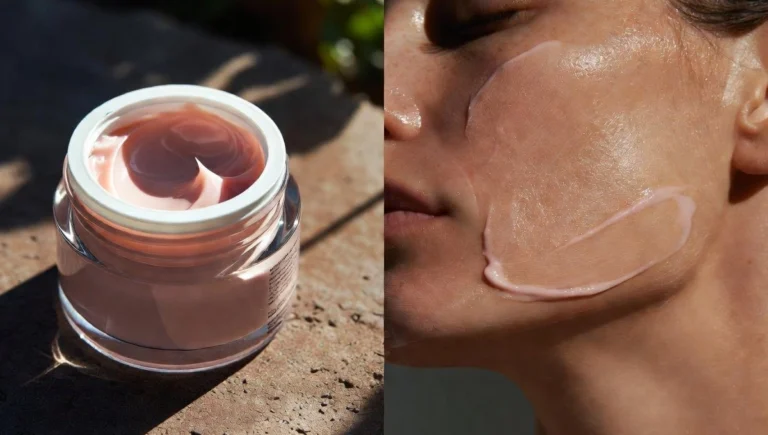


Skin-First, Fewer Steps: A Minimalist Winter Routine for Dry, Sensitive Skin
Every winter, I watch the same thing happen in our house. The heat kicks on, the air gets dry, and skin that felt fine in October starts to feel tight by mid-afternoon. Cheeks look dull. Hands get rough after a day of washing. Our kids get itchy around the wrists and the backs of their knees. The temptation is always the same: add another product.
I’ve learned the opposite usually works better. I’m a dad whose kids have eczema-prone skin, not a dermatologist. What follows is the minimalist winter skincare routine we actually stick to, along with what board-certified dermatologists recommend. If your skin is cracked, painful, or not settling with simple daily care, start with a dermatologist rather than another bottle.
Why winter leaves skin tight and itchy
The American Academy of Dermatology puts it plainly: cold air outside, hot air inside, and dry air everywhere can disrupt the skin’s barrier in winter. That barrier is the outer layer of skin that helps hold moisture in and keep irritants out. When it is weakened, skin can feel tight, look flaky, and itch.
The National Eczema Association points to the same pattern. Cold temperatures, low humidity, and indoor heating pull moisture from the skin. Hot showers, which feel wonderful on a cold morning, can dry skin further. Rough fabrics like wool, and too many heavy layers, can add to the itch. The answer is usually a simpler routine, not a longer one.
Three steps, not ten: a minimalist winter skincare routine
In a 2026 message for National Healthy Skin Month, the American Academy of Dermatology recommended a simple routine: a gentle cleanser, a moisturizer, and a broad-spectrum sunscreen with SPF 30 or higher. That is the whole list. The AAD also noted that over-cleansing, harsh products, hot water, and stacking too many active ingredients can all wear down the skin barrier. For winter, those three steps are the plan.
A gentle cleanser, used lightly
Dermatologists at the AAD suggest limiting baths and showers to five to ten minutes and using warm water, not hot. Close the bathroom door so steam stays in the room. Use a gentle cleanser only where you need it, and skip the thick lather. Afterward, pat skin dry with a towel rather than rubbing.
The National Eczema Association’s winter guidance is similar: lukewarm water, no harsh soaps, and moisturizer right afterward, while skin is still slightly damp. In our house, that looks like shorter showers and cleanser only on the places that actually got dirty. Faces often do fine with lukewarm water and a soft washcloth.
One rich moisturizer, used often
This is the step that does most of the work.
The AAD recommends a cream or ointment rather than a thin lotion, applied several times a day: while skin is still damp after a shower or bath, after washing your hands, and whenever skin feels dry. Look for moisturizing ingredients such as glycerin, petrolatum, shea butter, hyaluronic acid, mineral oil, or jojoba oil. Thicker products you scoop from a tub or squeeze from a tube usually hold more moisture than a watery lotion from a pump.
The National Eczema Association suggests applying a thick layer within three minutes of bathing or showering, to help skin hold on to the water still on it. Keep a tube by the sink and one in a bag, because winter hands get washed constantly.
Dermatologists at the AAD also recommend products labeled fragrance-free. A product marked “unscented” can still contain ingredients that mask odor, and those can bother sensitive skin. You do not need a separate serum, essence, and night oil if one good cream is doing the job.
Sun protection, even on gray days
Sunscreen is the step people drop first in winter, and it still belongs in a minimalist routine. The AAD advises wearing sunscreen year-round on skin that isn’t covered by clothing, such as the face, neck, ears, and hands. Look for broad-spectrum protection, water resistance, and an SPF of 30 or higher. A cream formula is often more comfortable in dry weather than a spray, and you can apply moisturizer first and sunscreen on top.
Ultraviolet rays reach the skin on cloudy or cool days, too, which is why the AAD still recommends shade, sun-protective clothing, and sunscreen in winter.
Test a new product on a small area first
The fastest way to undo a simple routine is to add three new products at once and then guess which one caused the redness. The AAD recommends introducing new skin care ingredients gradually, and testing a product on a small area before you use it more widely.
Here is the at-home method dermatologists at the AAD describe:
- Choose a quarter-sized spot on the underside of your arm or the bend of your elbow, somewhere the product won’t be rubbed or washed off right away.
- Apply the amount you would normally use, twice a day, for seven to 10 days.
- If you are testing a cleanser, leave it on for about five minutes, or as long as the label says, then rinse.
- If the skin stays clear, you can start using the product. If it becomes red, itchy, or swollen, wash the product off and don’t use it again. If the reaction is severe, see a dermatologist.
This is a simple home check, not a substitute for a dermatologist’s evaluation. If you keep reacting and can’t tell which ingredient is the problem, a board-certified dermatologist can help you sort it out.
How to read an ingredient list without overthinking it
You do not need to memorize a chemistry textbook. A short read of the label is enough:
- Prefer a cream or ointment over a lotion if your skin is very dry.
- Look for at least one recognizable moisturizing ingredient, such as petrolatum, glycerin, shea butter, or hyaluronic acid.
- Be cautious with fragrance, and remember that “unscented” is not the same as fragrance-free.
- In winter, many dermatologists suggest cutting back on strong acids and retinoids, which can be more irritating when skin is already dry.
- The AAD notes that products with alcohol (apart from hand sanitizer) and fragrance can be hard on dry, sensitive skin, and that more expensive is not necessarily more effective.
If a product stings or burns when you apply it, stop and mention it to a dermatologist. That is useful information, not a reason to buy a fourth moisturizer.
When to see a dermatologist instead of adding another product
A pared-back routine can make dry winter skin more comfortable. It is not a stand-in for medical care.
The AAD says that if dry skin continues after you have followed these basic steps, it is time to see a board-certified dermatologist. Overly dry skin can be connected to an underlying condition, such as atopic dermatitis or psoriasis. Tell your dermatologist if anything you put on your skin, including moisturizer, causes burning, stinging, or irritation.
In our house, the rule is simple. If a short, consistent routine is not enough, we do not keep shopping. We make the appointment.
Keep the steps few, and repeat them: a minimalist winter skincare routine that lasts
The version of a minimalist winter skincare routine that actually lasts is almost boring, and that is the point. A short, lukewarm shower. One rich moisturizer, put on while skin is still damp and again after hand washing. Sunscreen on the skin that the coat doesn’t cover. A humidifier in the bedroom, and cotton or silk against the skin under a wool sweater, are useful extras, not more steps.
Our kids do better when the routine is short enough to do on a school morning. The same is true for the rest of us. Fewer products, used steadily, almost always beat a crowded shelf.
Read also: Best Australian Sunscreens 2026 · Best Australian Skincare Brands 2026
Sources
- American Academy of Dermatology, “Your winter skin survival kit” — aad.org
- American Academy of Dermatology, “National Healthy Skin Month: Wellness is more than skin deep” (2 Nov 2026) — aad.org
- American Academy of Dermatology, “How to Test Skin Care Products Before Use” (19 Aug 2021) — GlobeNewswire / AAD release
- National Eczema Association, “Eczema Winter Wellness Guide” — nationaleczema.org
About the author
Minesh Patel is a dad whose kids have eczema-prone skin and the founder of Eczema Honey, a small family skincare company he and his wife started in their kitchen in 2017.