Minimalist Fashion Australia: The Curated Guide
Shopping for minimalist fashion Australia can feel oddly difficult. The aesthetic is simple — clean lines, quiet colours, nothing shouting — but the market is noisy, and plenty of labels borrow the look without the substance. The Australian version of minimalism is worth seeking out specifically, because it grew up in a particular climate: strong sun, long summers, mild winters in Sydney and sharp ones in Melbourne, and a lifestyle that moves between beach, office and dinner without a costume change. This guide rounds up the labels that do it properly, the fabrics that last, and how to build a smaller wardrobe that actually gets worn.
Minimalism here is not about owning three things or dressing in head-to-toe beige. It is about buying fewer, better pieces in a palette that works together, from labels that cut well and make things to last. The names below are Australian, available here without import markups, and chosen because editors and shoppers keep returning to them — not because they shouted loudest in a single season.
What Australian Minimalism Actually Looks Like
Start with the palette: black, white, navy, stone, olive and the occasional stripe. Then the shapes: relaxed rather than tight, tailored rather than sloppy. A good Australian minimalist wardrobe has a button-down shirt that works tucked into trousers and loose over swimwear, a pair of trousers that survives a full day without bagging at the knee, and a dress that looks as right at a long lunch as it does at the beach with sandals.
It differs from the Scandinavian version in one important way: warmth. Australian minimalism is softer and more coastal. Fabrics breathe, hems are a touch shorter, and there is room for a print — usually a stripe — where a stricter minimalist wardrobe would allow none. It also differs from fast-fashion minimalism, which copies the look in thin jersey and trend cuts. The test that matters is time: would you still reach for this piece in three years? If the answer depends on a trend cycle, it is not minimalism, it is just plain clothing.
Climate does a lot of the deciding. Linen and cotton dominate summer because they handle heat and humidity. Merino earns its place in a Melbourne winter in a way it never needs to in Brisbane. And because so much of Australian life happens outdoors, the best minimalist pieces here are the ones that move between settings — a shirt dress that covers swimwear, a blazer that does not wilt by midday, a knit that layers without bulk.
The Labels That Define It
These are the names that come up again and again in Australian roundups of understated dressing. They are not the only good labels, but they are the ones with a track record: consistent design, recognisable quality, and pieces that stay in wardrobes rather than passing through them. Price ranges below are guide ranges reported by Australian roundups — always check the brand’s own site for current pricing, as collections change.
St Agni
St Agni is the first name most editors reach for, and for good reason. Founded in Byron Bay by Lara and Matt Fells, the label built its reputation on deconstructed tailoring, slinky silk slip dresses, oversized button-downs cut to crisp perfection, and slouchy trousers in a neutral palette. It is the rare brand that feels both relaxed and polished: a St Agni shirt looks as considered with tailored pants at work as it does untucked over linen shorts on the weekend. Australian roundups put the range at roughly $119 to $1,500, which reflects how broad the offer is — from tanks and simple separates up to leather accessories and special pieces. If you buy one thing, make it the button-down or the slip dress; both are the kind of pieces other brands spend seasons trying to copy.
Matteau
Matteau began as swimwear and grew, carefully, into ready-to-wear — and that beach-to-street history still shapes everything it makes. Founded by sisters Ilona Hamer and Peta Heinsen, the label is known for clean, sculptural silhouettes: crisp button-down shirts, signature Breton striped tees, smartly tailored trousers, and printed maxi dresses that somehow never look dated. The design philosophy is conscious and trend-resistant; pieces are made to be worn for years, not a season. Reported guide pricing sits around $150 to $700. Matteau is the label to look at when you want minimalism with a bit of warmth — nothing severe, nothing shouty, just beautiful shapes in fabrics that hold up.
Anna Quan
Sydney-based Anna Quan, founded in 2013, is the tailor of this list. The label is recognisable for shirting-inspired pieces and refined suiting with minimal silhouettes — the kind of sharp, feminine tailoring that makes an outfit look finished without effort. It is also a go-to for event dressing, with special-occasion pieces that never tip into fussiness. Reported guide pricing runs around $160 to $1,200. For workwear minimalism in particular, Anna Quan is hard to beat: one well-cut shirt and one good suit, worn on rotation, will carry a working wardrobe further than a rail of trend pieces.
Bassike
Bassike has been a staple of the Australian minimalist scene since 2006, and it remains the benchmark for elevated basics. Born on Sydney’s Northern Beaches, the brand is a Certified B Corporation, and its signature organic cotton jersey — made in Australia from 100% organic cotton — is still the tee against which other tees are judged. Beyond jersey, there are relaxed trousers with directional cuts, strong suiting and luxurious knitwear for when you want more structure. Bassike is proof that a basic is not a boring thing: when the fabric, cut and finish are right, a plain tee and a good trouser are the hardest-working pieces in any wardrobe.
Venroy
Venroy, launched in Bondi in 2011, brings a coastal attitude to minimalism: linen sets, towelling and easy separates in muted tones. Where St Agni and Anna Quan handle the polished end, Venroy handles weekends and travel. If your version of minimalism leans beach rather than boardroom, start here.
Assembly Label and Deiji Studios
For the accessible end, two names keep appearing in Australian casual picks. Assembly Label does everyday minimalism well: clean basics at prices that make a wardrobe refresh realistic. Deiji Studios leans softer and more relaxed — the editors’ pick for casual silhouettes and easy dresses. A minimalist wardrobe needs workhorses as much as hero pieces, and these are where many Australian wardrobes quietly begin.
Building a Minimalist Wardrobe That Lasts
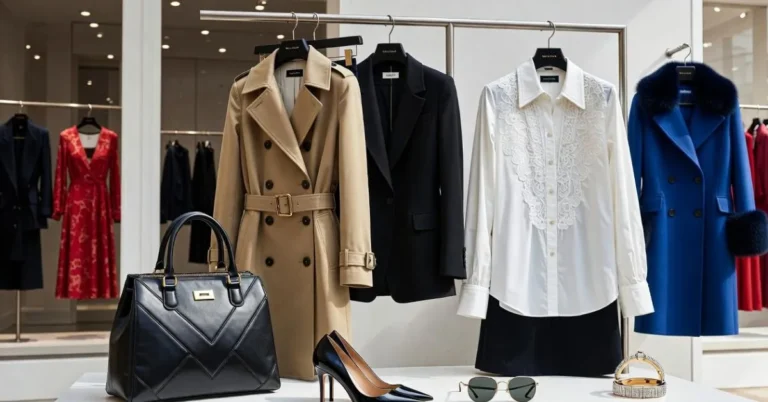
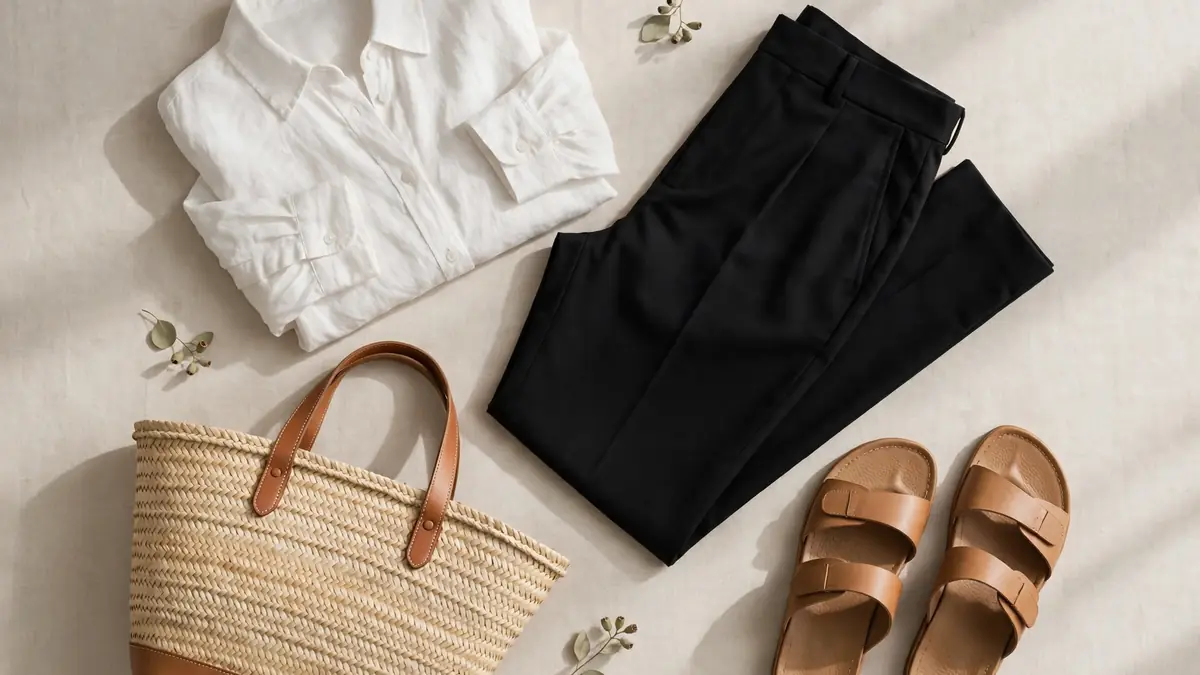
A useful way to start is with ten pieces that all work together: a white button-down, a black or navy trouser, a well-cut blazer or relaxed jacket, a slip dress, a quality tee in white and one in black, a linen trouser, a knit for cooler months, a pair of leather sandals or loafers, and one bag that goes with everything. That is not a rule, it is a starting point — the point is that every piece should pair with at least three others. If something only works with one outfit, it is not earning its place.
Cost-per-wear is the honest way to judge price. A $300 shirt worn a hundred times costs $3 a wear; a $60 shirt worn ten times before it loses its shape costs $6 a wear and looks worse throughout. This is an illustration, not a promise — the real maths depends on how you actually live in your clothes — but it explains why minimalist shoppers often spend more per piece and less overall. Buy the better version of the thing you wear most, and be ruthless about the rest.
Colour deserves a deliberate decision. A neutral base — black, white, navy, stone — makes getting dressed fast, because everything matches. Then add one accent you genuinely love, whether olive, soft blue or warm red, in small doses: a knit, a scarf, a shoe. Wardrobes with no accent at all tend to feel like a uniform rather than a style.
Fit matters more than size labels, which vary wildly between brands. With minimalist clothing there is nowhere to hide: a badly cut trouser or a shirt that pulls at the buttons will show. When trying a new label, order one piece first and check it properly — shoulders sitting where they should, trousers breaking cleanly at the shoe, a dress that does not need constant adjusting. Australian labels tend to cut for real bodies and real movement, which is part of why they last in wardrobes: they were designed to be worn, not just photographed.
Fabrics First: What Survives Australian Weather
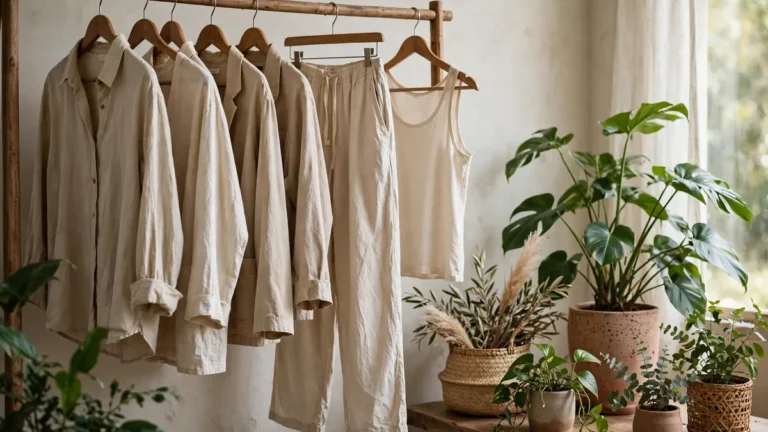
Linen is the summer essential, and the best Australian labels use it properly: mid-weight linen that drapes rather than crumples into tissue, in shirts, trousers and dresses. It wrinkles — that is part of the fabric, not a flaw — and it gets better with washing. Organic cotton jersey, the Bassike signature, is the everyday workhorse: soft, breathable and structured enough to hold a shape. Merino is the winter answer, especially for Melbourne: warm without bulk, and it layers under tailoring without adding visual weight.
Silk appears in slip dresses and blouses from St Agni and Anna Quan, and it is worth the care it demands if the piece is one you love — cold hand wash or a gentle machine cycle, shade drying away from harsh sun. For swim and resort pieces, look for recycled nylons and lined construction rather than the thinnest fabric available; Matteau’s longevity comes partly from refusing to cut corners here. Whatever the fabric, check the composition label before buying: a “linen-look” blend that is mostly polyester will not breathe like linen, and a “cashmere-feel” knit that is mostly acrylic will not last like one.
Care is the unglamorous half of minimalism. Cold washes, shade drying and less frequent washing extend the life of good fabric, and in Australian sun, shade drying matters — direct sun fades dark colours fast. Ten good pieces that are cared for will outlast forty treated carelessly.
The Traps: When Minimalism Is Just Expensive Basics
Not everything plain is minimalist. Watch for thin jersey that goes sheer in sunlight, boxy cuts with no shaping that rely on the model rather than the garment, and “capsule” collections that are replaced wholesale every season — that last one is the opposite of the philosophy it claims. A genuine minimalist label keeps its core shapes across seasons and lets you add to a wardrobe rather than restart it.
Also be sceptical of sustainability claims that stop at a single word. “Eco”, “conscious” and “sustainable” on a swing tag mean very little on their own. Look for specifics instead: organic certification, Australian manufacturing, B Corp status like Bassike’s, or a label that names its factories and fabric sources.
Finally, do not confuse minimalism with invisibility. The goal is not to disappear; it is to look like yourself, consistently, without the daily effort of reinventing an outfit. The best minimalist wardrobes have personality — a favourite colour, a signature shape, a pair of shoes that is unmistakably yours. Quiet does not mean blank.
Where to Shop and What to Expect to Pay
Start with the labels’ own websites: they carry full size ranges, the complete collections, and the best sense of how a brand actually fits. THE ICONIC, David Jones and Myer also stock many Australian labels and are useful for comparing fits across brands in one order. For a broader survey of the local scene, the Urban List guide to Australian fashion labels is a solid starting point, with its own price guides and picks by category.
On price, expect three tiers. Accessible basics from labels like Assembly Label and Deiji Studios sit at the everyday end. The designer-minimalist labels — St Agni, Matteau and Anna Quan — sit higher, with the guide ranges quoted above, reflecting better fabrics and construction. Bassike sits between the two: premium basics with the manufacturing credentials to justify them. Resale is also strong for the designer names, which softens the cost-per-wear maths further if you ever move a piece on. Whatever tier you shop, the rule holds: check the brand’s own site for current prices before buying, because ranges in roundups go out of date quickly.
Minimalist fashion in Australia works because it fits the way life here actually runs: sun, movement, and not much patience for fuss. Pick a palette, invest in the pieces you wear most, and let the rest go. A quieter wardrobe is not a smaller life — it is more room for everything else.
FAQs
What is minimalist fashion?
Minimalist fashion is a style built on clean lines, a restrained colour palette and well-made pieces designed to last. It favours quality over quantity: fewer items, each chosen to work with the rest of the wardrobe, rather than trend-led pieces bought for a single season.
Which Australian minimalist brand is best for workwear?
St Agni and Anna Quan are the strongest picks for minimalist workwear, with sharp tailoring and shirting that looks polished without effort. Australian roundups also name A Emery and Camilla & Marc among the best workwear labels, so it is worth comparing fits across all four before committing.
Is minimalist fashion expensive?
It can cost more per piece, but often costs less overall. A well-made shirt worn a hundred times works out cheaper per wear than a cheap shirt that loses its shape after ten washes. The saving comes from buying less and wearing each piece far more.
What fabrics suit Australian summers best?
Linen and cotton are the summer essentials: they breathe in heat and humidity where synthetics trap warmth. Mid-weight linen drapes well and improves with washing, while organic cotton jersey is the everyday staple for tees and relaxed trousers.
Where can I buy Australian minimalist fashion online?
Most labels sell through their own websites, which carry full size ranges. THE ICONIC, David Jones and Myer also stock many Australian minimalist labels, and resale is strong for designer names like St Agni and Matteau if you want pieces at lower prices.