Best Maternity Fashion Brands in Australia 2026
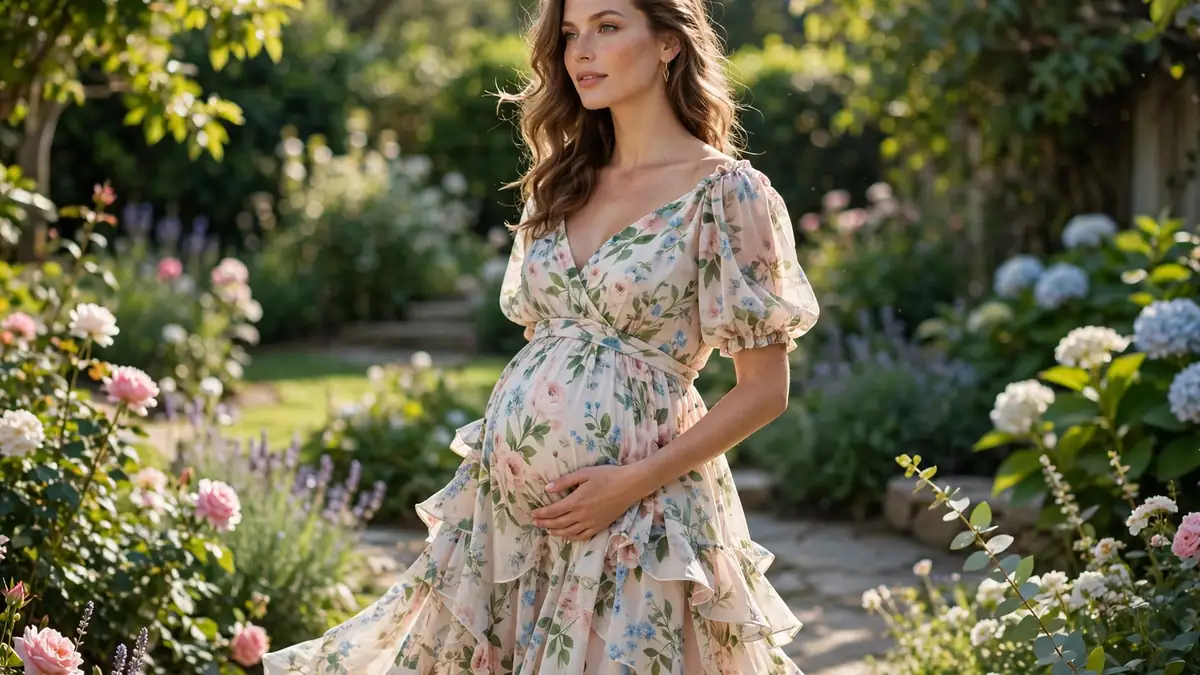
Pregnancy changes everything about getting dressed — and it does it on a moving timeline, which is what makes shopping for it so tricky. The maternity fashion Australia offers in 2026 is genuinely excellent: from heritage brands that have dressed generations of mums to modern labels designing pieces you’ll wear long after the baby arrives, it’s about smart, comfortable pieces that adapt across trimesters and don’t ask you to surrender your personal style for nine months.
This guide covers the brands worth your money at every budget, what to buy in each trimester, how to handle workwear and occasions, and how to build a maternity wardrobe without overspending on clothes with a short lifespan. Let’s start with when to buy what.
Maternity dressing by trimester: what you actually need
First trimester (weeks 1–12): most women don’t need maternity-specific clothing yet, though bloating and tenderness can make regular clothes uncomfortable surprisingly early. This is the time for stretchy, forgiving pieces you probably own already — wrap tops, empire-waist dresses, leggings and anything with an elastic waist. Don’t rush to buy; wait until you know what your body is doing.
Second trimester (weeks 13–26): the bump arrives and regular trousers become the enemy. This is your main shopping window. Prioritise: 2–3 pairs of maternity bottoms (jeans or trousers with over- or under-bump panels — try both, women divide fiercely on which is more comfortable), 4–5 maternity or bump-friendly tops, one versatile dress, and good maternity leggings. If you work in an office, add one or two work-appropriate dresses or a blazer that still closes.
Third trimester (weeks 27–40): comfort becomes the entire brief. You’ll live in the softest things you own — leggings, oversized knits, slip dresses, and supportive basics. This is also when to sort your hospital bag (nursing-friendly sleepwear, a going-home outfit) and any nursing bras, which are worth buying in the last month once your size stabilises a little.
One category women consistently underestimate: underwear. Your regular bras will become uncomfortable weeks before your clothes do, so invest early in a couple of soft, wire-free bras or maternity bralettes, plus over-the-bump underwear if you find low-rise pairs digging in. Comfortable foundations change how everything else feels — it’s the least glamorous and most impactful maternity purchase you’ll make.
The golden rule across all three: buy for the body you have now, not the one you imagine. Maternity sizing is designed to accommodate growth within your pre-pregnancy size — you generally buy your usual size, not a size up — so trust the system and try things on.
Maternity fashion Australia: the heritage brand
No discussion of Australian maternity wear starts anywhere but Ripe Maternity. Founded in 1996 in Australia by two friends with just 12 products, Ripe has grown into the country’s defining maternity label, with boutiques across Australia and a range that covers the entire journey: everyday basics, denim, workwear, occasion dresses, activewear, sleepwear and nursing pieces. Their nursing tops and tanks — stocked by Australian retailers like Peekaboo Baby, where nursing tanks run around $65–$70 — are genuine icons, designed with discreet nursing access so the same garment works through pregnancy and breastfeeding. If you buy one maternity brand, make it this one: the quality justifies the mid-range prices, the sizing is reliable, and the pieces hold up well enough to hand down or resell.
Modern Australian labels worth knowing
Bae the Label — the minimalist favourite
Bae the Label is the Australian-owned label for women who want maternity wear that doesn’t look like maternity wear. The aesthetic is timeless and minimalist — clean lines, neutral palettes, pieces designed to be worn before, during and after pregnancy. Their range spans dresses, tops, denim (from around $90), activewear, sleepwear and swimwear, with nursing access built into many styles so your investment keeps working postpartum. Maternity bras run about $59 and sleep separates around $69, positioning Bae as accessible mid-range. It’s the brand for the woman who wants to open her wardrobe and see her style, just bump-adapted.
Legoe Heritage — premium and considered
Legoe Heritage (stylised LÉGOE.) is the premium Australian maternity label, known for organic fabrics, beautiful denim and trend-aware design that captures how modern mums actually want to dress. This is where you go for pieces that feel special — the babymoon wardrobe, the dressier everyday, the knitwear you’ll live in. Prices reflect the premium positioning and the quality of the fabrications, but the cost-per-wear works out when pieces transition into your post-pregnancy wardrobe.
Bamboo Body — comfort in organic bamboo
Bamboo Body builds its mix-and-match maternity range from organic bamboo, and devotees swear by the fabric: breathable, stretchy, temperature-regulating and soft enough for the most sensitive pregnancy skin. Designed to grow with your pre- and post-pregnancy body, with features like stretchy waistbands and side ruching that adapt as you change shape. If comfort is your top priority — and in the third trimester, it will be — Bamboo Body deserves a place in your drawer.
Soon Maternity — designer polish
Soon Maternity is the premium designer end of the market: workwear, eveningwear and nursing pieces with a fashion-forward eye, supporting local production. This is the label for the big moments — the wedding you’re attending at 32 weeks, the work presentation where you need to feel powerful, the portraits you’ll keep forever. Their all-season range and elegant linen edits are particular strengths.
Angel Maternity — the reliable all-rounder
Angel Maternity has been dressing Australian mums for decades, and there’s a reason for that longevity: they do the unglamorous essentials brilliantly. Over-the-bump denim that actually stays up, work pants that go from day to night, the full range from underwear to outerwear. When you need something practical that just works, Angel Maternity is the safe pair of hands.
Budget-friendly maternity: Kmart, Cotton On, ASOS and Boody
Maternity clothes have a built-in expiry date on your body, which makes the budget end of the market genuinely sensible rather than merely cheap. Kmart’s maternity range is the best-value in the country — basic tees, leggings, sleepwear and casual dresses at prices that make a full second-trimester refresh affordable. Cotton On’s maternity line is a step up in style: on-trend pieces that don’t scream maternity, brilliantly priced, with cosy track pants and tanks that reviewers consistently love. ASOS offers the widest trend-led maternity range available to Australians, useful for occasions and for women whose style runs fashion-forward. And Boody — while not strictly a maternity brand — deserves inclusion for their bamboo basics: the stretch and softness of bamboo makes their tees, leggings and bras naturally bump-friendly, and you’ll wear them for years afterwards.
The budget strategy: buy your high-rotation basics here (tees, leggings, sleepwear, casual dresses) and reserve your bigger spend for the pieces where fit engineering matters — proper maternity jeans, a work dress, your nursing bras.
Maternity workwear: staying polished through the trimesters
Dressing professionally while pregnant is its own skill. The pieces that work hardest: wrap dresses (the silhouette adapts to every stage and most wrap styles work postpartum too), maternity pencil skirts or tailored trousers with bump panels, stretch blazers or open-front jackets that don’t need to close, and knit dresses in ponte or rib that skim rather than cling. Soon Maternity and Ripe both do excellent maternity workwear; Bae the Label’s minimalist dresses slot into smart offices easily; and Maive & Bo’s Luella maternity and nursing dress is a favourite for women who want one dress that does everything. One practical tip: buy your work blazer in your pre-pregnancy size but in a stretch fabric, or size up once and wear it open — a blazer that pulls across the bump undermines the whole outfit.
Don’t forget your feet: many women go up half a size during pregnancy as ligaments loosen, so have a comfortable pair of work-appropriate flats or low block heels in reserve for the third trimester. Sore feet will undo the polish of any outfit faster than anything else.
Occasion dressing: weddings, photos and celebrations
Pregnancy doesn’t pause your social life, and the right occasion dress makes all the difference to how you feel at events. Empire-waist and wrap maxi dresses are the most flattering silhouettes on a bump — they define your shape rather than hiding it. Ripe’s special-occasion maxis, Soon Maternity’s eveningwear and Legoe Heritage’s occasion pieces all cover this ground beautifully. For maternity photoshoots, consider hiring rather than buying: dress-hire services carry stunning gowns for a fraction of the purchase price, which makes sense for something you’ll wear once. And don’t overlook non-maternity brands for occasions — a regular wrap dress or an empire-line dress in a stretch fabric, sized up, often works perfectly and stays in your wardrobe afterwards.
Nursing-friendly fashion: buying once, wearing twice
The smartest maternity purchases are the ones that work for breastfeeding too — it effectively doubles the lifespan of your wardrobe investment. Look for hidden nursing access: discreet panels, wrap fronts, lift-up layers or clip-down cups built into dresses and tops. Ripe pioneered this in Australia and remains the benchmark; Bae the Label builds nursing access into much of its range; Bamboo Body’s wrap styles work naturally. Beyond dedicated nursing wear, any wrap dress, button-front shirt or deep-V top is incidentally nursing-friendly — you may already own the bones of a nursing wardrobe. When buying nursing bras, get fitted in your third trimester or after your milk comes in, prioritise comfort over prettiness, and buy at least three — you’ll live in them.
Maternity fashion Australia on a budget
Maternity dressing rewards strategy over spending. Start with what you own: stretchy dresses, wrap tops, oversized shirts worn open, leggings and anything with an elastic waist all earn a second life. Buy secondhand: maternity clothes are worn briefly and resold in excellent condition — marketplace listings and consignment stores are full of premium labels at a fraction of retail. Borrow from friends: every new mum has a bag of maternity clothes she’s desperate to lend out; say yes. Invest selectively: spend on maternity jeans (fit engineering matters enormously here), your nursing bras, and one or two pieces that make you feel like yourself. Rent for occasions rather than buying dresses you’ll wear once. And sell or pass on afterwards — quality pieces from Ripe, Legoe and Bae hold their resale value well, which brings your true cost down significantly.
Keep reading: the labels worth knowing beyond maternity are rounded up in our best Australian fashion brands for women guide, and for warm-weather dressing with a bump, the Australian summer fashion guide covers breathable fabrics that work before and after pregnancy.
FAQs
When should I start buying maternity clothes in Australia?
Most women start needing maternity-specific pieces in the second trimester (around weeks 13–16), though everyone’s timeline differs. In the first trimester, stretchy regular clothes usually suffice. Your main shopping window is the early second trimester — buy for your current body, as maternity sizing is designed to accommodate growth within your usual size.
What size should I buy in maternity clothes?
Buy your pre-pregnancy size. Maternity clothing is cut to accommodate a growing bump within your usual size — sizing up usually just gives you a worse fit everywhere else. The exception is non-maternity stretch styles you’re adapting, where you may need to size up once.
Which maternity brand is best in Australia?
Ripe Maternity is the benchmark heritage brand, founded in Australia in 1996, with the most complete range from basics to occasion wear. Bae the Label is best for minimalist, wear-forever style; Legoe Heritage for premium pieces; Bamboo Body for ultimate comfort; and Kmart and Cotton On for budget basics.
Are nursing-friendly clothes worth buying during pregnancy?
Yes — pieces with hidden nursing access (wrap fronts, discreet panels, lift-up layers) effectively double your wardrobe’s lifespan by working through pregnancy and breastfeeding. Ripe Maternity and Bae the Label build nursing access into much of their ranges.
How can I save money on maternity clothes?
Start with stretchy pieces you already own, buy secondhand (maternity clothes resell in excellent condition), borrow from friends, invest only in fit-critical pieces like maternity jeans and nursing bras, rent occasion dresses, and resell quality labels afterwards to recover costs.