
Male Fashionista: 7 Bold Ways to Radiantly Own Your Style
Hey, ready to ease into being a male fashionista in 2026? Soft layers that feel natural, fits that actually suit you, creators with real advice, simple low-cost starts, and ways to brush off budget worries or old-school judgments. Just honest, doable tips for everyday guys.
picture a regular February morning in Abbottabad—the kind where the air’s still cool, you’re making chai, and you pause at the mirror before heading out. Your shirt sits nicely across the shoulders, jeans feel comfortable without sagging, colors match in a way that looks intentional. You nod to yourself and think, “This actually feels good.” That quiet confidence boost is what pulls more guys toward becoming a male fashionista. Nothing dramatic, no need for spotlights—just outfits that support your day instead of fighting it.
Lots of men are figuring this out right now. The men’s apparel market is around $465–$620 billion globally in 2026 (depending on the source, but steady growth either way), heading higher toward $1 trillion+ by the early 2030s in some forecasts. Much of that comes from regular people choosing clothes they actually like wearing often, that last longer, and that feel personal rather than random.
Key Takeaways
- A male fashionista blends what’s trending with what suits his own life—no rigid rules or extremes needed.
- This year’s style is softer and easier: thoughtful layers, fabrics that feel nice, little touches that show your personality.
- Start right now with stuff hanging in your closet—small fit tweaks or new pairings make a big difference.
- Everyday creators prove smart choices matter way more than big spending.
- Usual hurdles like price, fit problems, or lingering “what will people think” vibes? There are straightforward, low-pressure fixes.
What Being a Male Fashionista Really Means
Straight up: a male fashionista is just a guy who cares enough about clothes to give his outfit a quick thought each day. He keeps an eye on trends but always tweaks them to match his body, his routine, and how he wants to feel.
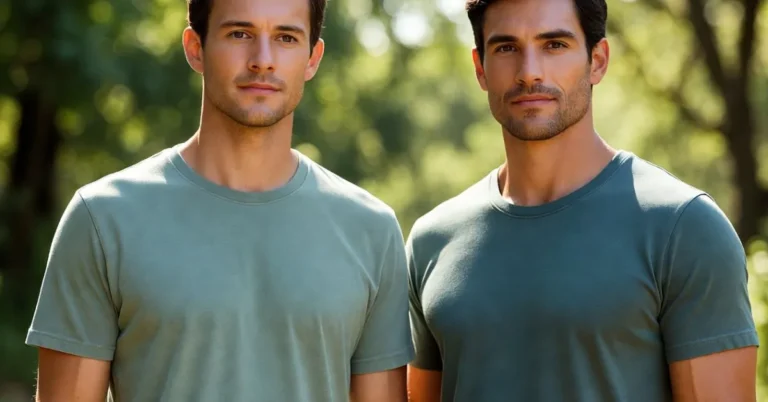
The word fashionista isn’t only for women—it’s for anyone into style. A few say fashionisto for men, but most people simply use male fashionista. What sets him apart from someone copying every viral look? Real intention. He picks pieces that feel like him. Think starting with a plain crew-neck tee and adding a soft cardigan for easy texture, or swapping basic trainers for loafers with a subtle detail. Tiny changes that lift the whole outfit.
This mindset is growing because the industry keeps expanding—projections show it climbing toward much higher numbers by 2030–2033. Shows and runways spark ideas, but the real wins come when guys like us adapt them for normal days: work, errands around Abbottabad, hanging out with friends.
How Men’s Fashion Has Evolved Recently
A few years back, most guys’ wardrobes were heavy on stiff suits, ties, and safe repeats. David Bowie and others challenged that ages ago, but the 2020s really accelerated things—remote work blurred “office” and “casual,” so everything started mixing.
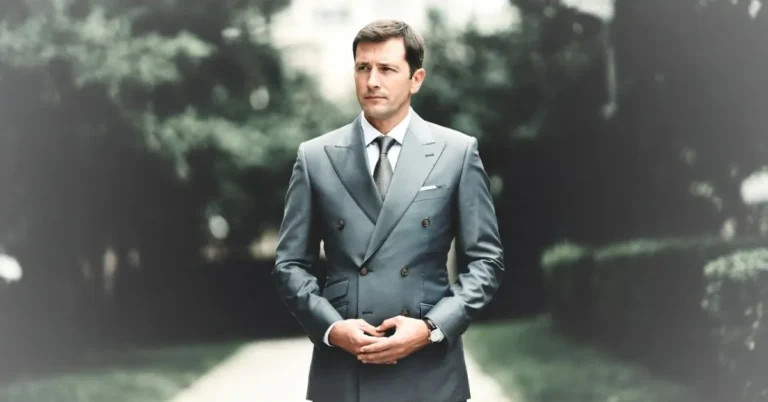
We moved past the phase where every outfit looked like technical outdoor gear. Now it’s about shapes that flatter without restricting, materials that feel comfortable hour after hour. Soft masculine style leads: smoother textures, relaxed-yet-polished cuts, colors and details that used to feel “off-limits” for men. A pale pink shirt under a neutral blazer, a knit with subtle lace trim—it’s about ease, not making a loud point.
This matches bigger shifts. More men feel okay expressing personality through clothes. About one in four younger guys prioritize tailored or thoughtful items when shopping. Bad Bunny keeps blending street toughness with luxury polish, showing fashion can feel freeing instead of limiting.
Creators Worth Actually Following
What I like about current style creators is they keep things grounded and realistic. No need for a huge budget—just watch and borrow ideas.
Magno Scavo does sharp tailoring that still feels warm and lived-in. Jose Zuniga (Teaching Mens Fashion) explains fit basics and outfit formulas clearly, no wasted time. Alex Costa keeps looks modern, clean, and simple to adapt.
Adam Gallagher stays reliably classic, Rowan Row shows how to mix affordable high-street pieces with nicer ones without it looking forced. They all teach the same thing: trends land best when customized to your body, your schedule, your wallet. Follow a couple and you’ll start screenshotting outfits you can recreate tomorrow with minimal changes.
Menswear Trends That Actually Matter in 2026
Trends shift quickly, but 2026 feels thoughtful and wearable. Layering dominates—light knits under gilets, overshirts over tees—adding interest without overheating.
Leather appears in practical places: overshirts, trousers, relaxed hoodies for subtle edge. Shapes slim a bit but stay soft—no stiff discomfort. Natural shoulders, breathable tailoring. Colors deepen: rich browns, tonal outfits, neutrals with character.
V-necks sit higher and closer again. Accessories get purposeful—small bags, loosely tied scarves, finishing details. Soft cozy vibes mix gentle fabrics and relaxed fits. Prep picks up sporty touches. Sustainability stays important—vintage denim, durable brands. Economic caution favors timeless over trendy.
US men’s apparel holds around $110–$192 billion depending on category focus, blending comfort and polish for flexible days. Key rule: feel good first.
Simple Steps to Build Your Style
No big overhaul needed. Start with what’s already in your closet.
Grab reliable basics: dark jeans that mostly fit, neutral tees or shirts, a jacket you reach for often. If fit is close but off, a tailor adjusts shoulders, length, or waist—small cost, huge improvement.
Add gradually. Test one item: textured scarf, standout watch, higher-rise trousers for cleaner lines. Thrift spots and local shops often surprise with quality.
Budget tight? Prioritize timeless—solid denim, white shirts, leather shoes that improve with age. Outfits under $200 work: tee + chinos + clean shoes. High-street gives quick value; one or two better pieces last years.
Bodies vary, so should clothes. Looser fits for some frames, structured for others. Goal: pieces that feel natural and help you stand taller.
Handling What Holds Guys Back
Hesitation is normal. Good quality costs—yes. Counter by choosing items made to last years. Shop sales, secondhand, or learn basic repairs.
Old ideas about “men’s clothes” linger. Softer colors or fabrics might draw glances. But attitudes shift fast—more men own it openly. Start subtle; comfort grows quickly.
Fit troubles frustrate. Quick check: shoulders align, trousers break cleanly at shoe. Sizing gets more inclusive, especially broader builds.
Trend overload? Skip most. Pick one or two you like and blend into staples. Hybrid days confusing? Layers give flexibility—add or remove as needed.
Why Sustainable Choices Fit Real Life
More guys want clothes that don’t harm the planet long-term. Secondhand cuts new demand immediately. Seek brands with durable wool, organic cotton, recycled materials.
Easy habits: buy less, choose carefully. Mend instead of replace. Pass on when done. Nicholas Daley mixes creative energy with responsible making—style and conscience together.
Market growth (around 6–7% CAGR in many reports) ties partly to this shift. Small actions—patching, pre-owned shopping—create real impact over time.
FAQs On Male Fashionista
What is the form of male fashionista?
male fashionista works for men too—it’s not gendered. Some say fashionisto casually, but fashionista is standard for anyone who enjoys thoughtful, personal style with intention.
Who are top male fashionista influencers in 2026?
Magno Scavo for warm tailored looks, Jose Zuniga for clear fit tips, Alex Costa for modern ease, Adam Gallagher for classics, Rowan Row for smart mixing. Practical and copyable.
How has men’s fashion changed lately?
From stiff suits to looser, personal styles. Hybrid work blended lines, soft fabrics/colors normalized, sustainability rose. Expression beats old restrictions now.
What menswear trends stand out in 2026?
Layering textures, soft slim tailoring, leather accents, richer colors, accessories like scarves/small bags. Comfort, quality, sustainability over flash.
How to build a male fashionista wardrobe on budget?
Start versatile basics—jeans, tees, jacket. Thrift/sales, tailor fit. Add trends slowly. Looks under $200 easy with timeless choices.
Does fashion interest still feel odd for guys?
Can sometimes, especially softer choices, but stigma fades fast. Influencers normalize variety. Most respect thoughtful dressing.
Style builds one small step at a time. Try something today—layer a knit over a favorite shirt or tweak jeans for better fit. Notice the mood lift. Go at your pace; confidence comes naturally.