
Build a Capsule Wardrobe in 2026 Easily
You know that awful feeling when you’re standing in front of your closet at 7 a.m., already stressed, and nothing looks right? I lived through that nightmare for years—clothes everywhere, but somehow I had zero outfits. Then I tried the capsule wardrobe thing, and honestly, it was a game-changer. Mornings got quieter. Decisions got faster. And weirdly, I started liking what I wore again.
It’s not about owning almost nothing. It’s about owning stuff that actually gets along with each other. Right now in 2026, everyone’s obsessed with quiet luxury — clean lines, nice fabrics, nothing shouting “look at me.” People are so over fast-fashion regret and closets bursting at the seams. A capsule wardrobe sorts that out by sticking to good-quality pieces in colors that play nice together: camel, navy, cream, black, gray, mostly. Everything suddenly works.
Key Takeaways
- You’re usually looking at 21–55 pieces that all mix and match, so you stop wasting brain energy deciding what to wear (that 60% less stress number feels real once you try it).
- You end up spending way less over time, throwing away less junk, and feeling better about the planet — the whole capsule thing is still getting bigger every year.
- It doesn’t have to get boring — little switches like new earrings, scarves, or swapping in a chunky knit for winter keep it fun.
- It actually fits messy real life: remote work one day, school run the next, hot summers, freezing winters, bodies that change.
- Best part? You don’t need to go extreme. Start small today, and it snowballs.
What Is a Capsule Wardrobe?
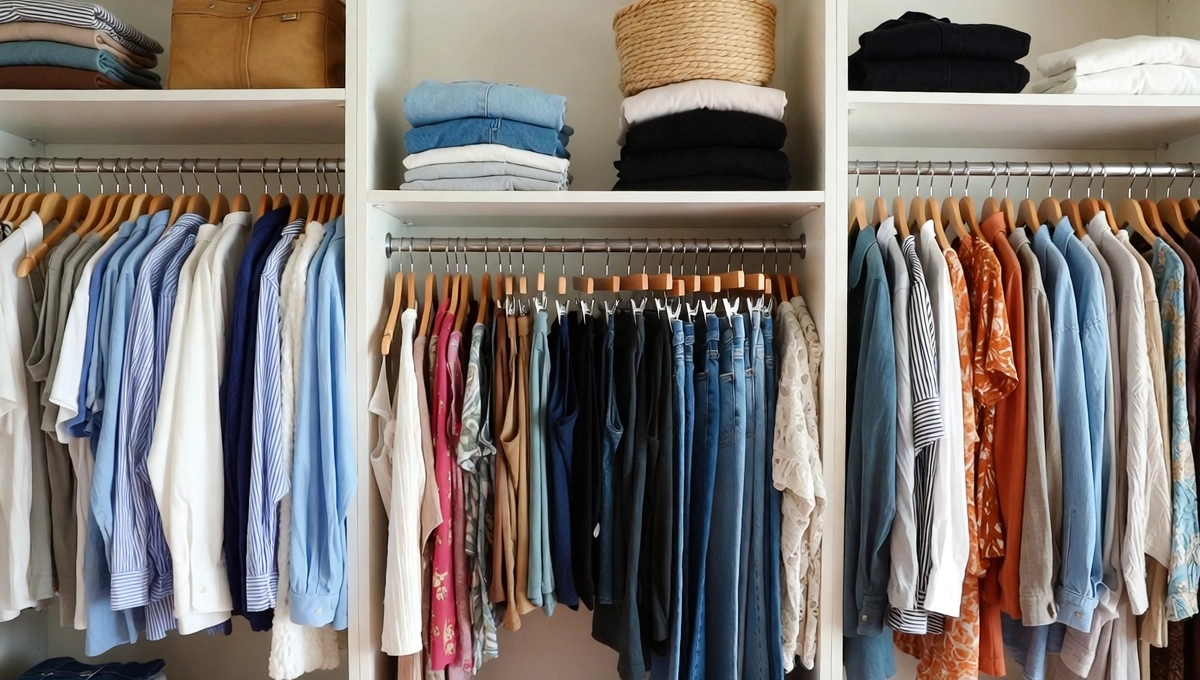
A capsule wardrobe is a small, smart collection of clothes. The pieces coordinate so you can create lots of outfits without much effort. Think timeless items like a white button-down, dark jeans, or a good trench coat.
The idea kicked off in the 1970s when a woman named Susie Faux in London said, “Just keep the classics.” Then Donna Karan’s “Seven Easy Pieces” in the 80s made everyone pay attention. These days, it’s all wrapped up slowly, and that calm minimalist vibe.
Normal wardrobes have something crazy like 144 things in them. Capsule people usually keep it between 21 and 55. There’s even Project 333 — 33 items for three months — if you want to go hard. In 2026, it’s got this quiet luxury twist: nicer fabrics, ribbed knits, slightly sculptural coats, stuff that feels expensive without being loud.
Benefits of Capsule Wardrobes
First, it saves time. Mornings go smoother when you don’t stand there deciding. Studies show people with versatile wardrobes feel 60% less decision fatigue. Busy parents, remote workers, or anyone rushing out the door love this.
Second, it’s kinder to the planet. Fast fashion creates huge waste—one T-shirt can take 2,700 liters of water to make. With fewer buys, you cut that down. The capsule wardrobe market hit about $3.1 billion in 2023 and keeps growing fast, thanks to folks wanting sustainable choices.
Third, it saves money. Yes, good pieces cost more upfront, but you buy less overall. Skip impulse buys (which cause 14% of wardrobe regrets) and invest in items that last. Many people report higher satisfaction with 40–50 solid pieces.
Picture a friend who always looks put-together with the same few outfits. That’s the benefit in action.
How to Build a Capsule Wardrobe
Don’t try to fix everything in one weekend. Go slow.
Step 1: Look at what you already have. Take it all out. Ask yourself: Did I touch this in the last year? Does it even suit my life right now? Notice what you keep grabbing. Get rid of the rest — donate, sell, whatever. That one afternoon already makes your head feel lighter.
Step 2: Pick colors that don’t fight. Go neutral base — black, white, gray, navy, camel, cream. Throw in one or two colors you love if you want some personality. Neutrals just… work. Outfits feel pulled-together without effort.
Step 3: Grab your main player.s Start with 10–15 things you’ll actually live in. Good fit and decent fabric matter more than brand. Uniqlo and Everlane are great if money’s tight; The Row or similar if you can swing it. Cheap fast stuff usually dies fast — nicer pieces stay looking good way longer. Add more only when something really dies.
Capsule Wardrobe Essentials
This is what’s working in 2026 — classics plus the little updates everyone’s wearing.
Tops and Bottoms
- 2–3 plain or ribbed tees (that ribbed texture feels new without being trendy).
- White or light blue button-downs.
- Straight-leg dark jeans or tailored trousers (no ripped knees — cleaner look this year).
- Soft crewneck or turtleneck sweater — wool or cashmere mix.
Outerwear and Extras
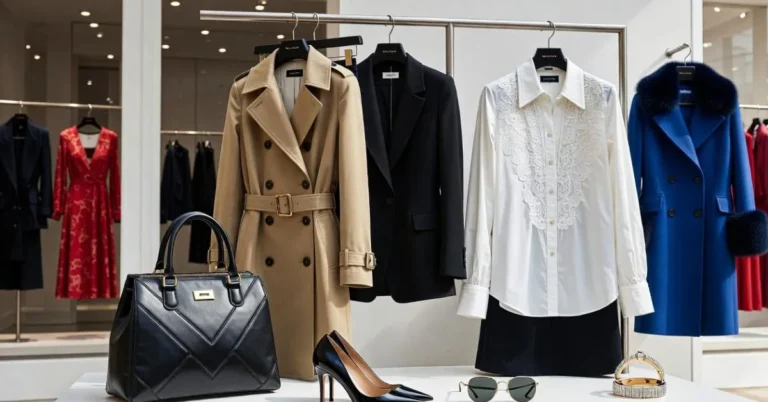
- Camel or black trench/wool coat (this one makes everything look expensive).
- Simple blazer or light jacket for layering.
- Loafers, clean sneakers or knee-high boots.
- Neutral leather tote or small crossbody.
Seasonal Switches Freezing where you are? Add puffers or thick knits. Hot all year? Linen and cotton instead. Swap things around so it never feels old.
These create dozens of outfits. A white tee + jeans + loafers looks casual; add the blazer for work.
Overcoming Capsule Challenges
It’s not all smooth sailing.
Avoiding the “I wear the same thing every day” rut. Yeah, it can feel repetitive. I fix it by changing earrings, adding a scarf, belting something differently, or rolling sleeves. A quick Pinterest scroll gives fresh ideas without spending a rupee.
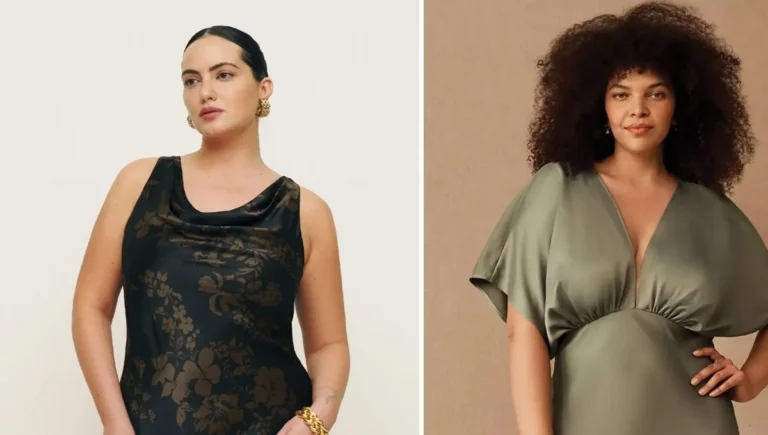
Making it work for different bodies. Bodies aren’t one-size-fits-all. Brands like ASOS have way more options now. Short? Try cropped lengths. Curvy? Structured pieces that don’t cling. Wear what feels good on you, not what looks good on Instagram.
Keeping it cheap and long-lasting, I started under 50,000 PKR by hitting sales and second-hand apps like Depop. I use a little outfit tracker app now — most things get worn a lot (80%+). Fix small holes, restyle old stuff before buying new.
Capsule Wardrobe for Different Lifestyles
One size doesn’t fit all—adapt it.
Work and Travel Capsules: Hybrid work? Blazer over tees. Travel light? 10 pieces for two weeks—neutrals pack small and wrinkle less.
Family and Age-Specific Moms: Easy-care fabrics like machine-wash wool blends. Over 40? Focus on polished staples that look expensive without effort.
Cultural and Climate Tweaks. In hot areas, prioritize cottons. For modest styles, longer hemlines or layers work well.
Sustainability in Capsule Wardrobe
You naturally buy way less. I go for brands like Patagonia or Everlane that actually tell you where stuff comes from. Mend things, repurpose them, buy used. Loads of people cut shopping in half (or more) once they switch. Your closet stops feeling like a problem and starts feeling like part of the solution. Doing the capsule wardrobe thing turned my mornings from chaos to calm. I wear things I actually like, I look put-together without trying, and I have more money and headspace for stuff that matters.
Conclusion on Capsule Wardrobe
Building a capsule wardrobe in 2026 isn’t about limiting your style—it’s about simplifying it in a way that feels good. Choose versatile, quality pieces that work together to save time, reduce stress, and cut waste. Start small, stay flexible, and let your wardrobe grow with intention. Over time, your closet will support you, not overwhelm you, making every outfit effortless and timeless.