

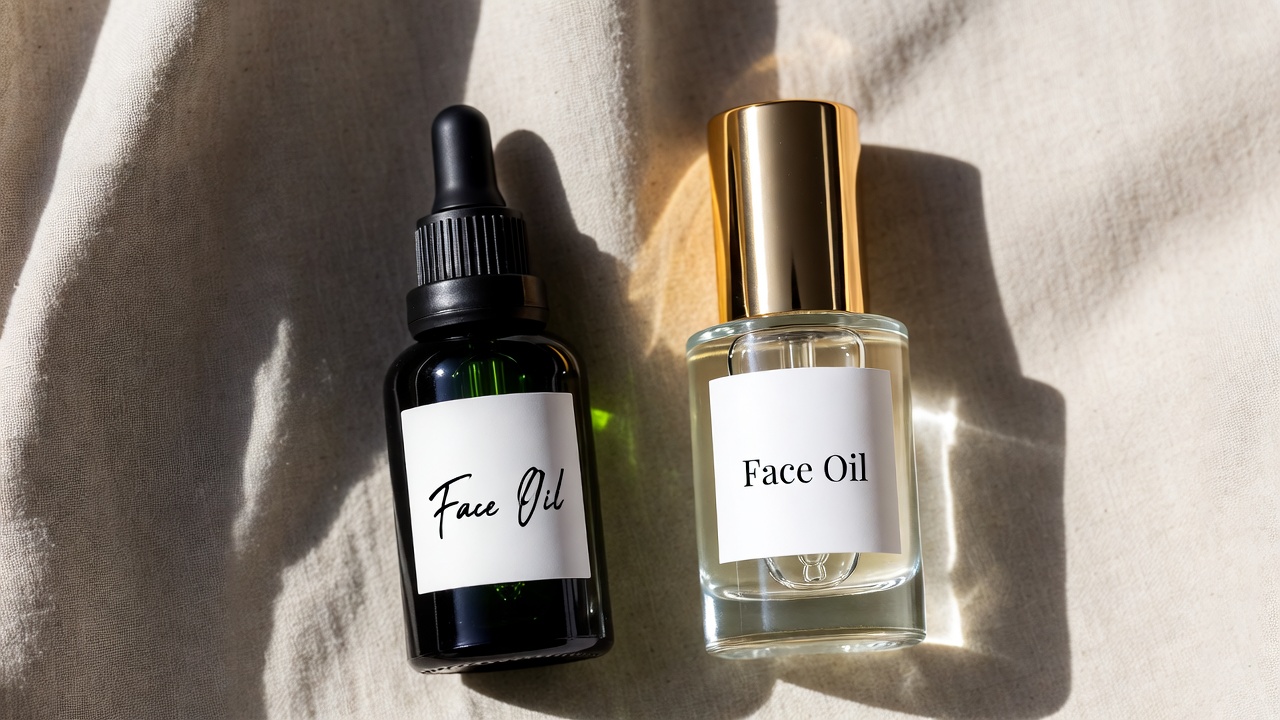
Best Face Oils 2026: Guide by Skin Type & Benefits
Discover the best face oils for 2026—lightweight, non-comedogenic options for every skin type. Learn benefits, how to use them correctly, and top picks for hydration, glow, and barrier repair that actually work.
Have you ever finished your skincare routine and still felt like your skin was thirsty? Or maybe you’ve tried a Best Face Oils and ended up looking greasy or worried about breakouts? You’re not alone. Best Face Oils have a reputation for being tricky, but when you pick the right one and use it properly, they can transform dry, dull, or irritated skin into something soft, balanced, and genuinely radiant.
Here are the main things you’ll take away:
- Best Face Oils oils seal in moisture, strengthen the skin barrier, and deliver nourishing fatty acids, vitamins, and antioxidants.
- The right oil matches your skin type—lightweight and non-comedogenic for oily or acne-prone skin, richer for dry or mature skin.
- Apply 2–3 drops on damp skin as the final step to lock in everything underneath and avoid that heavy feeling.
- In 2026 the best face oils are fast-absorbing, multi-tasking, and focused on long-term skin health rather than instant shine.
- Start simple, patch test, and give it consistent use—results build over weeks, not days.
What Is Best Face Oils and How Does It Work?
Best Face Oils is a concentrated blend of plant-derived or synthetic oils applied directly to the skin. Unlike water-based serums or creams, oils are lipophilic—they mix with the skin’s natural lipids and sit on top to seal everything in.
They work primarily as occlusives and emollients. That means they reduce water loss from the skin (transepidermal water loss) and soften the surface by filling gaps between cells. Many also carry active compounds—fatty acids, vitamins A and E, squalene mimics—that calm inflammation, support repair, and add a natural glow.
The key is choosing one that complements your skin rather than fights it. When matched correctly, face oil becomes the finishing touch that makes the rest of your routine more effective.
Key Benefits for Skin Health
Best Face Oils do more than add shine. They help restore the skin barrier, which is especially helpful after using actives like retinoids or acids that can temporarily weaken it. A stronger barrier means less sensitivity, fewer flare-ups, and better tolerance to other products.
They deliver nutrients that water-based products can’t—omega fatty acids, antioxidants, and lipid-soluble vitamins that nourish from the outside in. Over time this can improve texture, reduce flakiness, even tone, and give skin a healthy, dewy look.
For many people, face oil is the missing piece that turns “okay” skin into noticeably softer, more resilient skin.
Best Face Oils vs Moisturizer: Key Differences
Moisturizers usually contain humectants (like hyaluronic acid or glycerin) that pull water into the skin, plus emollients to soften it. Face oils are almost pure emollients and occlusives—they don’t add water but prevent it from escaping.
Think of moisturizer as the drink and face oil as the lid on the cup. Using both in the right order—moisturizer first, oil last—gives the best hydration and protection. Skipping the oil often leaves skin feeling tight later in the day, while skipping moisturizer can make oil sit on top without sinking in.
Best Face Oils by Skin Type
For Dry & Dehydrated Skin
Dry skin craves richer oils that replenish lipids and lock in moisture for hours. Look for heavier textures with high oleic acid content.
Top choices include rosehip seed oil (rich in vitamins A and C, great for scars and elasticity) and argan oil (packed with vitamin E and fatty acids for deep nourishment). These feel substantial without being sticky and help repair flakiness overnight.
For Oily & Acne-Prone Skin
Oily skin still needs hydration—dehydrated oil glands often overproduce sebum to compensate. The trick is choosing non-comedogenic, lightweight oils that mimic natural sebum.
Jojoba oil is the classic here—it closely matches skin’s own oils, balances production, and rarely clogs pores. Squalane (plant-derived or sugarcane-based) is another favorite—ultra-light, fast-absorbing, and excellent at calming without greasiness.
For Sensitive & Reactive Skin
Sensitive skin benefits from gentle, low-irritant oils with soothing properties. Avoid heavily fragranced or essential-oil-heavy blends.
Plum oil and camellia seed oil stand out—both are mild, antioxidant-rich, and calming. Look for cold-pressed, single-ingredient versions or blends labeled fragrance-free to minimize reactions.
For Mature & Anti-Aging Needs
Mature skin loses lipids and elasticity over time. Oils with regenerative actives help support firmness and reduce the look of lines.
Rosehip, pomegranate seed, and bakuchiol-infused oils are strong contenders. They provide antioxidants, promote collagen support, and improve texture without the irritation some retinoids cause.
Top Best Face Oils Ingredients to Look For
Non-Comedogenic & Lightweight Options
Jojoba, squalane, grapeseed, and hemp seed oils have low comedogenic ratings (0–2 on the scale). They absorb quickly, balance oil production, and rarely trigger breakouts even on acne-prone skin.
Regenerative & Antioxidant-Rich Blends
Rosehip (natural vitamin A), sea buckthorn (omega-7 and carotenoids), and marula oil (high antioxidants) support repair and protect against daily damage. In 2026 many brands add peptides or ceramides for extra barrier and firmness benefits.
How to Use Best Face Oils Correctly
Step-by-Step Application Tips
- Cleanse and apply any serums or moisturizers first.
- While skin is still slightly damp, warm 2–3 drops between fingertips.
- Gently press (don’t rub) into face and neck.
- Wait 1–2 minutes before makeup or sleeping.
PM use is ideal because oils can make skin more sun-sensitive, and nighttime is when repair happens.
Common Mistakes to Avoid
Applying on dry skin causes pilling. Using too much leaves a greasy film. Skipping patch testing risks irritation. Store oils in cool, dark places to prevent oxidation—rancid oil smells off and can irritate.
Practical Tips & Comparisons
Budget vs Luxury Picks
Drugstore squalane or jojoba oils (around $10–25) perform nearly as well as luxury versions for basic hydration. Luxury blends often add actives (peptides, botanicals) or superior sourcing (cold-pressed, organic), which can justify the price if you want extra benefits.
Layering with Other Products
Face oil goes last—after water-based serums and creams. If using actives like vitamin C or retinol, apply those first, let them absorb, then seal with oil. This prevents pilling and maximizes delivery of both water- and oil-soluble ingredients.
Frequently Asked Questions
What is Best Face Oils used for?
Face oil hydrates, nourishes, and seals in moisture to strengthen the skin barrier, reduce water loss, and deliver fatty acids, vitamins, and antioxidants for softer, more radiant skin.
Best Face Oils good for oily skin?
Yes—non-comedogenic, lightweight oils like jojoba or squalane mimic natural sebum, balance oil production, and hydrate without clogging pores or causing breakouts.
How do you apply face oil correctly?
Use 2–3 drops on damp, cleansed skin as the final step. Warm between fingers, press gently into face and neck, and let it absorb fully before makeup or sleep.
Face oil vs moisturizer—which is better?
Neither is better—they work together. Moisturizers add water; oils seal it in. Apply moisturizer first, then face oil last for maximum hydration and protection.
Can face oil cause breakouts?
It can if comedogenic. Choose non-comedogenic oils (squalane, jojoba), patch test first, apply sparingly, and use on clean skin to minimize risk for acne-prone types.
What are the best face oils for dry skin?
Rosehip, argan, and marula oils are excellent—rich in fatty acids and vitamins, they deeply nourish, repair the barrier, and reduce flakiness without feeling heavy.
The right face oil can be the simplest upgrade your routine needs. Pick one that suits your skin type—maybe start with squalane if you’re oily or rosehip if you’re dry—and use it consistently for a few weeks. You’ll likely notice softer, more balanced skin that feels comfortable all day. Give it a try tonight and see how your skin responds. Which skin type are you matching it to