
Less Is More: 2026 Guide to Simplicity
Less is more isn’t just a saying—it’s a way to live with less stress and more meaning. See how this timeless principle works in 2026, from warm minimalism to everyday habits that actually stick. Get practical steps and real benefits today.
You open your closet and feel tired before you even pick anything out. Your phone buzzes with twenty notifications in ten minutes. The living room has nice things, but somehow it still feels crowded. A lot of people are quietly reaching the same point: too much of everything is starting to feel like too little of what matters.
That’s exactly where the idea of less is more comes in. It’s not about throwing away half your life. It’s about choosing carefully so the things you keep actually support you instead of weighing you down. In 2026 this principle feels more relevant than ever. People want calm spaces, clear minds, and fewer decisions that drain energy every day.
Here are the main things you’ll walk away knowing:
- Less is more means focusing on quality and intention so you end up with more clarity, freedom, and satisfaction.
- It started in architecture but now shapes homes, wardrobes, work, and even how we use our phones.
- Warm minimalism in 2026 adds softness and personality so rooms don’t feel empty or cold.
- You get real benefits: lower stress, less waste, better focus, and money saved over time.
- Anyone can start small—one drawer, one habit—and see changes quickly.
What Is Less Is More?
At its heart, less is more says that removing what isn’t necessary often makes the result stronger, clearer, and more beautiful. It’s the opposite of “more is better.” When you strip away extras, what’s left has room to shine.
The phrase is most often linked to Ludwig Mies van der Rohe, the German-American architect who helped define modern design in the mid-20th century. He believed buildings should be honest, functional, and free of decoration that hid their true structure. Over time the idea spread far beyond buildings.
Today it shows up in kitchens with only the pots you actually use, wardrobes with pieces you reach for every week, and phone screens with just a handful of apps. The common thread is intention: every item or choice has a reason to be there.
Origins and History
Mies van der Rohe didn’t invent the concept from nothing. He built on ideas that go back centuries. The ancient Greek saying “know thyself” already carried a sense of focus and restraint. In the 19th century poet Robert Browning wrote “less is more” in a verse about perfection through simplicity.
Mies made it famous in the 1920s and 30s through his famous glass houses and steel-frame buildings. His Barcelona Pavilion is still studied as a perfect example: open space, clean lines, only what’s needed.
Later Dieter Rams, the designer behind many Braun products, turned it into “less but better.” His ten principles of good design still guide companies that value longevity over trends. That shift from pure subtraction to thoughtful selection is what keeps the idea alive in 2026.
Benefits of Less Is More
When you own fewer things you care about deeply, daily life gets lighter. Studies on minimalist lifestyles show people report lower anxiety and better mood after reducing possessions. One 2023 paper in MDPI found that intentional simplicity helps people feel more in control of their time and money.
Environmentally it makes sense too. Buying less means less packaging, less shipping, less landfill. Brands that follow “less but better” often use durable materials that last years instead of months.
Mentally the biggest win is fewer decisions. When your closet has twenty well-loved pieces instead of eighty okay ones, mornings start easier. The same goes for work: focusing on three big tasks instead of twenty small ones usually produces better results with less burnout.
Applications in Design
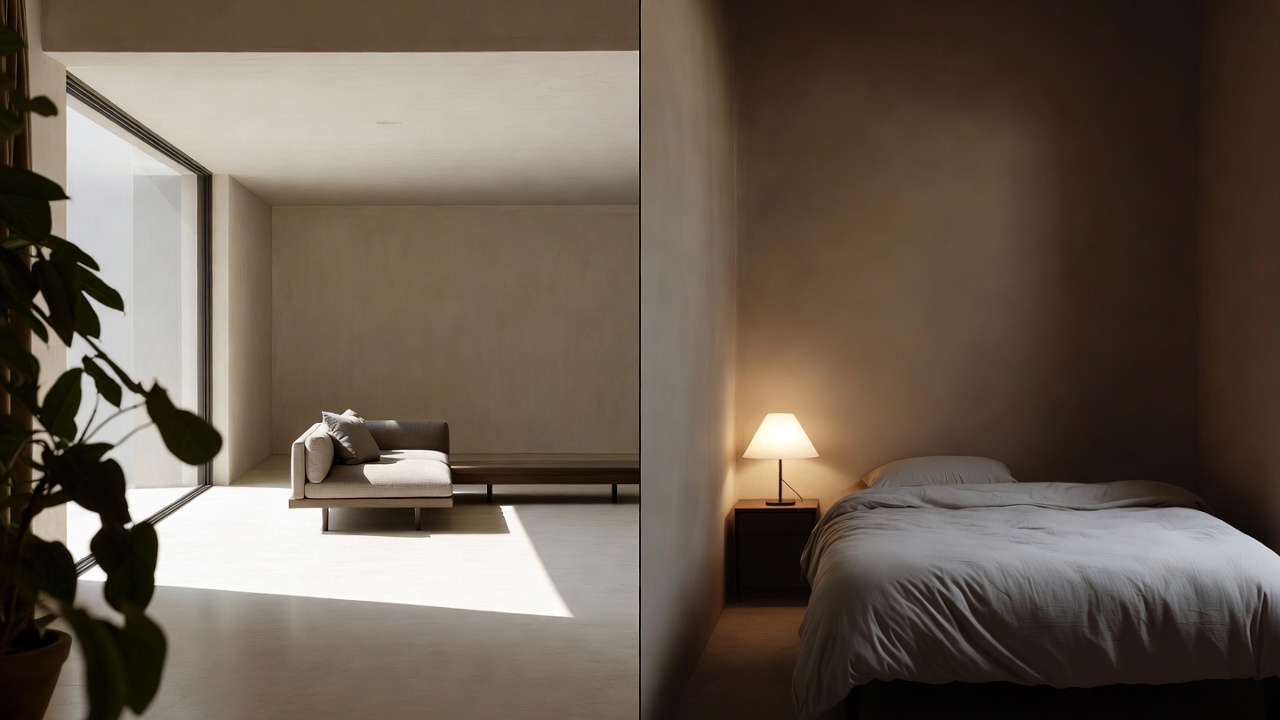
In interiors less is more creates calm without feeling empty. Think light wood floors, linen curtains that move in the breeze, a single large plant instead of twenty small ones. 2026 versions add warmth: textured throws, handmade ceramics, books people actually read.
Graphic designers and app makers use the same logic. Clean interfaces load faster and help users find what they need without confusion. Websites with too many banners and pop-ups lose visitors quickly.
A real example is the modern Scandinavian home: white walls, but softened with wool rugs, wooden stools, and one bold piece of art. The space feels open yet personal because every object was chosen with care.
Less Is More in Lifestyle
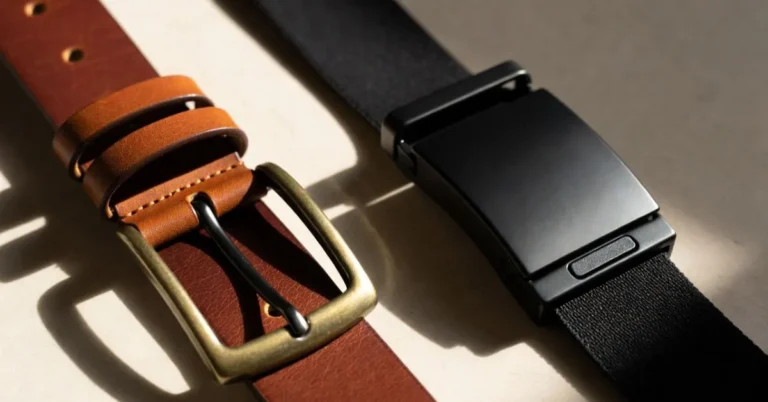
Apply it to your wardrobe and you might end up with a capsule collection: ten tops, five bottoms, three jackets that mix and match. You spend less time shopping and more time living.
In productivity it looks like time-blocking three focused hours instead of eight scattered ones. Many people find they finish important work faster when they protect deep focus blocks.
One person I know started by clearing one shelf in the kitchen. She kept only the tools she used weekly. Within a month she noticed she cooked more often because everything was easy to reach and put away. Small changes like that build momentum.
Challenges and Drawbacks
It’s not always easy. Some people worry that too much simplicity will make life boring or feel sterile. If every room looks the same, personality can disappear.
Emotional attachment is another hurdle. Letting go of gifts, old clothes, or souvenirs brings up memories. The trick is to ask whether the item still serves you today, not whether it meant something ten years ago.
Families can make it harder too. One person may want clear surfaces while kids need toys out. Compromise usually works better than forcing strict rules.
Less Is More vs. Maximalism
Maximalism fills spaces with color, pattern, and collected objects. It can feel joyful and full of stories. Less is more offers calm and focus. Neither is right for everyone.
In 2026 both styles coexist. Some homes have minimalist main rooms but colorful kids’ spaces. Others mix clean lines with one dramatic wallpaper wall. The key is knowing what you need most right now—peace or energy.
Maximalism can become overwhelming over time. Minimalism can feel cold if it’s too strict. A middle path often wins: intentional abundance with breathing room.
2026 Trends in Simplicity
Warm minimalism leads right now. Designers use natural textures—jute, rattan, matte clay—to keep spaces inviting. Colors lean toward soft taupes, warm grays, and muted greens instead of pure white.
Reading nooks are everywhere: one comfortable chair, good light, a small side table. People want places to slow down without screens.
Digital minimalism is growing too. People delete apps they don’t open, turn off non-essential notifications, and set phone-free hours. Skincare routines shrink to three or four effective products.
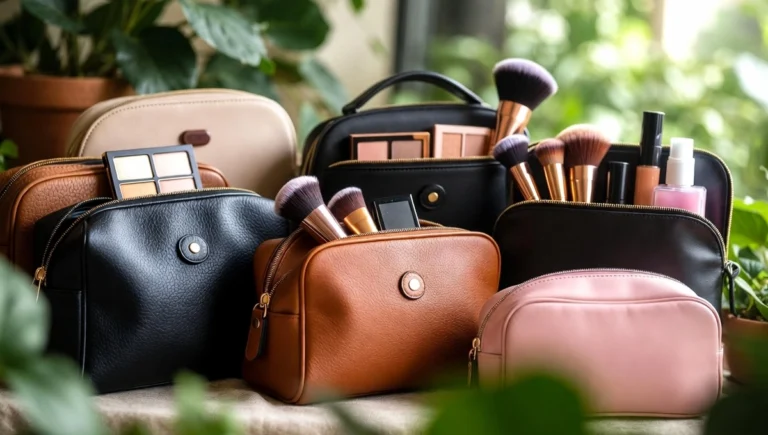
Sustainability ties in strongly. Brands emphasize repairable items and timeless designs so you buy once.
Final Takeaway Less is more starts with one honest question: Does this still serve me? Pick one small area—your nightstand, your email inbox, your sock drawer—and clear what no longer fits. You’ll likely feel lighter the same day. Keep going at your own pace. Over time you’ll notice more space for the things and people that really matter.
Try it this week. Choose one spot and let go of three things you haven’t touched in months. Notice how the room breathes differently—and how you do too.
Frequently Asked Questions
What does less is more really mean?
It means removing unnecessary things usually creates better results—clearer spaces, sharper focus, stronger impact. The idea is quality and purpose over quantity and clutter in design, lifestyle, or work.
Who first said less is more?
Architect Ludwig Mies van der Rohe made it famous in the 20th century through his modern buildings. The phrase also appeared earlier in Robert Browning’s poetry, and similar ideas exist in ancient Greek thought.
What are real-life examples of less is more?
A capsule wardrobe with 30 versatile pieces, a kitchen with only daily-use tools, a phone home screen with 6 apps, or a living room with one sofa, one rug, and one large artwork instead of many small items. (336 characters)
Is less is more always the best approach?
No. It can feel cold or empty if taken too far. Maximalism or layered styles suit some personalities better. The goal is balance—enough simplicity to reduce stress without losing warmth or joy.
How do I start using less is more every day?
Pick one small area like a drawer or shelf. Remove items you haven’t used in six months. Ask if each piece adds value now. Repeat slowly in other spaces. Small wins build the habit without overwhelm.
Why does less is more reduce stress?
Fewer possessions and choices cut decision fatigue and visual noise. Studies link intentional simplicity to lower anxiety and better mood because your environment stops competing for attention and starts supporting calm focus