

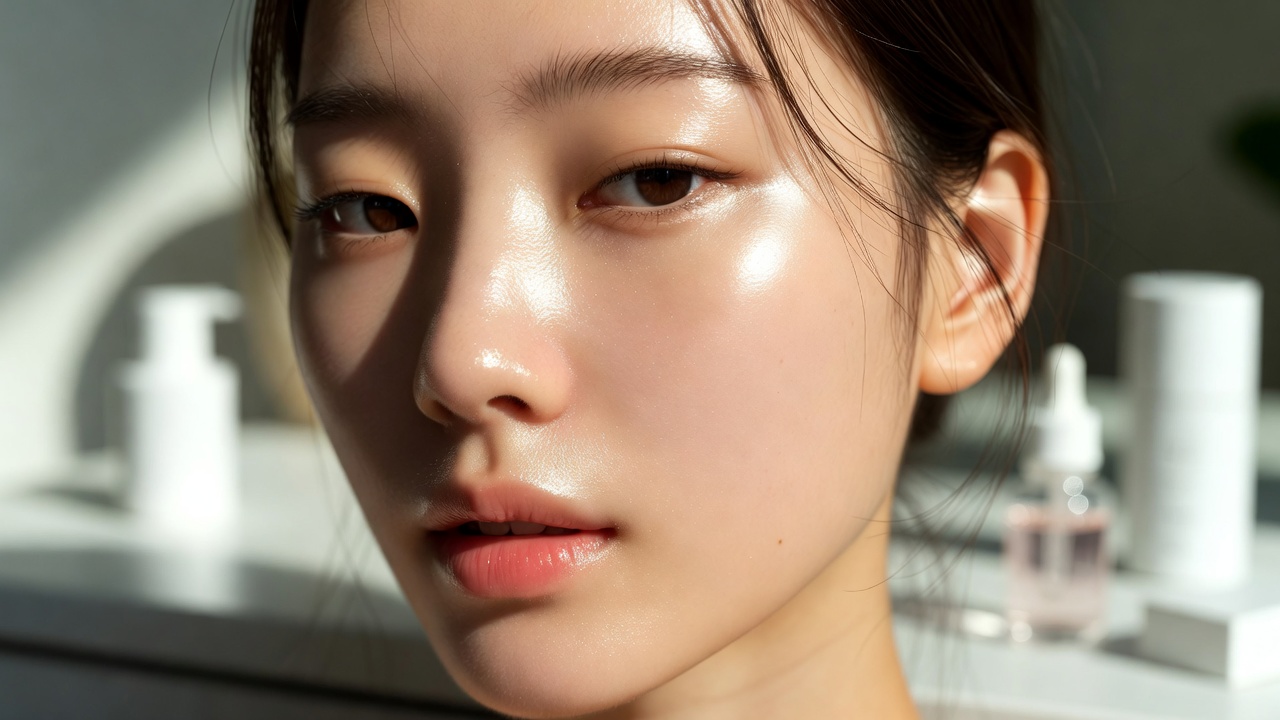
Less Is More Beauty
Less is more beauty — that feeling when your bathroom counter is crowded with half-empty bottles and your skin still feels off? You’re not alone. Many of us pile on serums, acids, and creams chasing perfect skin, only to end up with redness, dryness, or breakouts. That’s where this approach comes in: fewer, thoughtfully chosen products often work better than layers of everything.
In 2026, this approach — often called skinimalism — has matured. It’s no longer just stripping back; it’s smarter, intentional care that protects your skin’s natural barrier and lets your true radiance show. Experts and consumers agree: overloading disrupts balance, while simplicity supports health. Let’s walk through why this works and how to make it yours — with an Australian lens on sun, climate, and local buys.
Key Takeaways
- Less is more beauty focuses on quality essentials over endless products, leading to calmer, stronger skin.
- Simplifying cuts irritation, saves time and money, and supports natural glow.
- In 2026, skinimalism has evolved into “smart” minimalism — multi-functional, barrier-focused care.
- In Australia, minimalism starts with SPF: one great sunscreen beats five serums for visible results.
- Transition slowly to avoid issues; consistency with fewer steps beats complex routines.
- Anyone can start — tailor the basics to your skin type.
What Is Less Is More Beauty?
From Skinimalism to Skinimalism 2.0
Skinimalism started as a backlash to 10-step routines and heavy makeup. It means using minimal products to enhance what’s already there — your skin’s natural strength. In 2026, it’s evolved into “Skinimalism 2.0,” or intelligent minimalism.
Industry insiders note a shift toward purposeful simplicity. People want multi-functional formulas that protect the microbiome, reduce inflammation, and build long-term resilience. It’s not deprivation; it’s science-backed efficiency. Consumers increasingly prioritise proven results over constant newness.
Core Principles: Quality, Simplicity, Natural Enhancement
The heart of less is more beauty is intention. Choose high-quality items that multitask. Focus on supporting your skin barrier — the protective layer that keeps moisture in and irritants out — instead of bombarding it. This promotes authenticity: subtle glow from within, not heavy coverage. It aligns with sustainability too — fewer products mean less packaging waste and overconsumption.
Why Less Is More for Your Skin
The Science of Barrier Health
Your skin barrier acts like a shield. When healthy, it holds moisture and blocks trouble. Too many actives or layers can weaken it, causing sensitivity or excess oil as compensation. Dermatologists emphasise that simpler routines help repair this barrier: gentle cleansing, hydration, and protection let skin recover naturally. The result is smoother texture, fewer flare-ups, and better ingredient absorption when you do use targeted care.
Benefits: Glow, Time Savings, Sustainability
Surveys show strong appeal — in one recent report, 81% of women over 35 found simplified routines more attractive, with 59% drawn to the time saved. You get visible glow from consistency, not complexity. Skin looks healthier because it’s not fighting overload. Plus, it’s kinder to the planet and your wallet — quality over quantity adds up.
Myth: Does Simplifying Mean Worse Results?
Many worry less means dull or problematic skin. Not true. Over-layering often causes the very issues people are trying to fix — purging, irritation, breakouts. Basics deliver reliable improvements, and experts say consistency with essentials outperforms erratic multi-step habits. If your skin thrives on more, add thoughtfully — but most people see better balance with less.
The Australian Minimalist Routine
In Australia, the minimalist routine has a non-negotiable fourth pillar: sun protection. Our UV levels mean SPF 50+ daily isn’t optional — it’s the highest-impact step you can take. The good news is that Australian-made sunscreens double as moisturisers: Cancer Council’s Everyday SPF 50+ costs around $11–$14 at pharmacies and supermarkets, and QV and Hamilton make excellent daily options too.
Beyond that, the core trio covers nearly everyone:
- Gentle cleanser — clears dirt without stripping oils. QV and CeraVe both make affordable, fragrance-free options at Chemist Warehouse.
- Hydrator — a moisturiser or serum with hyaluronic acid or ceramides to lock in water.
- Sunscreen — broad-spectrum SPF 50+ daily, rain or shine.
Morning: cleanse, hydrate, protect. Night: cleanse, hydrate (add a gentle treatment if needed). This foundation supports barrier health and prevents most common problems.
Multi-Functional Heroes
Look for products that do double duty. A moisturiser with niacinamide calms and brightens. A tinted SPF adds light coverage while protecting — ideal for Australian summers when you want less on your face. These hybrids save steps without sacrificing results.
Tailoring for Skin Types
- Acne-prone: non-comedogenic formulas; niacinamide helps control oil.
- Dry: richer creams with ceramides for deep hydration.
- Mature: gentle actives like peptides for firmness, paired with heavy hydration.
- Oily: lightweight gels that mattify without drying.
Listen to your skin — and adjust as seasons change. What works in a humid Brisbane February may feel wrong in a dry Melbourne July.
Step-by-Step Transition to Less Is More
Audit Your Current Routine
Grab a pen. List every product and ask: does this address a real need? Have I used it consistently in the last month? Does it cause irritation? Keep the 3–5 that work best. Donate or recycle the rest.
Declutter Without the Panic
Don’t toss everything at once — skin needs time to adjust. Remove one category weekly (extra serums first). Stick to the core trio plus SPF. If dryness hits, add more hydration. Most people see improvement in 4–6 weeks as the barrier strengthens.
Timeline
Weeks 1–2: basics only. Weeks 3–4: introduce one targeted item if needed. Month 2+: fine-tune. Patience pays off — skin often looks clearer and more even once the overload stops.
Minimalist Makeup Integration
No-Makeup Makeup in Minutes
Enhance, don’t hide. Start with hydrated skin. Apply tinted moisturiser or light BB cream for even tone and SPF. Add cream blush for flush, mascara for eyes, and lip tint. Five minutes, fresh face.
Capsule Collection Ideas (8–10 Versatile Items)
- Gentle cleanser
- Daily moisturiser
- Sunscreen
- Tinted moisturiser
- Mascara
- Brow gel
- Cream blush
- Lip/cheek tint
- Neutral balm
- Optional: light concealer
These cover daily needs with minimal clutter. Layered looks take 20+ minutes and risk caking; minimalist takes 5–10 and looks more polished long-term because the skin underneath stays healthy.
Overcoming Common Challenges
Cutting Too Quickly
Sudden changes shock skin — leading to temporary dryness or breakouts. Ease in over weeks, not days.
A Real-World Example
Consider someone juggling work and life, overwhelmed by 12 products. She audited, kept a gentle cleanser, a hyaluronic moisturiser, SPF, and a multi-use tint. Within months, irritation faded, skin balanced, and mornings felt easier. She saved money and felt more confident in her natural look.
Special Occasions
For events, layer lightly — add highlighter or a bolder lip on top of your minimal base. For concerns like acne, prioritise non-comedogenic basics. If needed, see a dermatologist for personalised tweaks.
The Minimalist Travel Kit
Travel is where minimalism proves itself. A carry-on-friendly kit: gentle cleanser (or a cleansing balm stick), moisturiser, SPF 50+, a multi-use tint, brow gel, and lip balm with SPF. That’s six items covering a week away. Decant into small containers rather than buying travel sizes — cheaper and less wasteful.
One warning: don’t try new products on a trip. A reaction hundreds of kilometres from your dermatologist is a terrible holiday souvenir. Travel with products your skin already knows.
When Minimalism Isn’t Enough
Honesty matters: minimalism isn’t a cure-all. Persistent acne, melasma, rosacea flare-ups, or eczema deserve professional help, not a shorter product list. In Australia, start with your GP — many skin conditions are managed through Medicare with a referral to a dermatologist, which beats guessing with another serum. Minimalism works best as a foundation; targeted treatments prescribed by a professional sit on top of it, not instead of it.
Frequently Asked Questions
What is skinimalism and why is it popular in 2026?
Skinimalism simplifies skincare to essentials for healthier results. In 2026 it’s huge because people want less overwhelm, better barrier health, and sustainable choices — fewer products mean less waste and more intentional care.
Will switching to less is more beauty cause breakouts?
It can cause temporary adjustment — mild dryness or purging — as skin rebalances. Go slow, stick to gentle basics, and give it 2–4 weeks. Most people see clearer, calmer skin after.
Can less is more beauty work for acne-prone skin?
Yes — fewer products often mean less clogging. Focus on non-comedogenic cleansers, lightweight hydration, and niacinamide to control oil while supporting the barrier.
How many products do I really need daily?
Start with 3–5: gentle cleanser, hydrator, SPF in the morning; add a night moisturiser or light treatment. This covers most needs efficiently.
Does skinimalism save money long-term?
Definitely. You buy fewer items, invest in quality ones that last, and cut waste from unused products — many report noticeable savings alongside better skin.
What’s the one product Australians shouldn’t skip?
Sunscreen. SPF 50+ every day is the highest-impact step in an Australian routine — more transformative than any serum. Cancer Council, QV, and Hamilton all make affordable daily options.
Less is more beauty isn’t about doing without — it’s about doing what works. Healthier skin, more free time, less stress, and confidence in your natural self. The shift feels freeing once you try it.
