
Korean Skin Care Guide: Get Glowy, Hydrated Skin
Scrolling through Instagram or TikTok and seeing all those people with perfectly dewy, lit-from-within skin can make you wonder what they’re doing differently. A lot of them are on that Korean skin care wave, and honestly, it’s not as complicated or fancy as it looks. It’s mostly about treating your skin gently, keeping it super hydrated, and building up that natural glow over time.
You’re tired of products that feel heavy or sting, and your skin just looks… meh. Korean skin care flips that script. It started in South Korea, blending old-school tricks like rice water with new science-y stuff, all focused on stopping problems before they start instead of fixing them later.
The whole vibe is hydration first. Think lightweight layers that sink in fast and make your skin feel plump. Stuff like hyaluronic acid, centella (that calming green thing), and niacinamide show up a ton because they soothe and balance without being harsh.
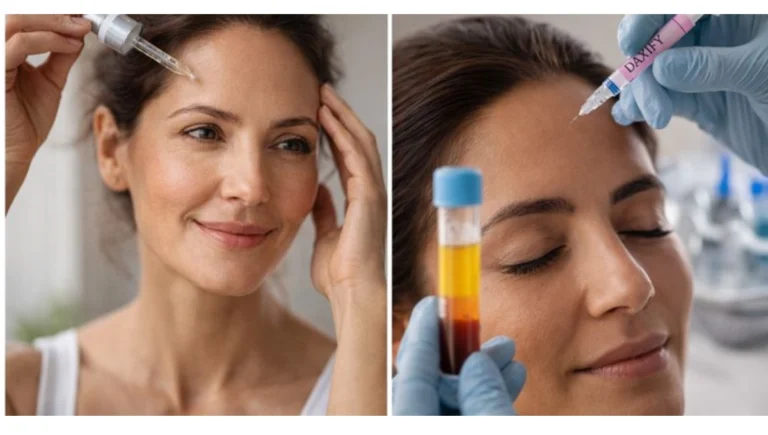
These days, things have leveled up. We’re seeing more “medicosmetics” — basically, clinic-level ingredients like PDRN (this regenerative extract that’s everywhere in 2026) right in your daily cream. It’s wild how fast the trends move!
Key Takeaways
- Korean skin care builds a strong, hydrated barrier so you end up with that smooth “glass skin” look.
- You don’t need every single step — start basic with cleansing, hydrating, and sun protection.
- Favorites like snail mucin essence and light sunscreens actually deliver glow without annoying your skin.
- The whole K-beauty world is booming — it’s worth around $16 billion globally right now in 2025-2026, and people keep loving the gentle, smart formulas.
- Always patch-test new stuff and tweak it for your skin type so you skip the usual drama like stinging or random pimples.
Here are some real-life shots of what that classic glass skin glow actually looks like — smooth, bouncy, and just… healthy:
What Is Korean Skin Care?
It really comes down to how South Koreans think about beauty — daily care that prevents issues rather than reacting to them. Old traditions like using rice for brightness mix with modern lab breakthroughs. Layers of light products that trap moisture deep. You get ingredients that calm redness and fix the barrier without stripping everything away.  Lately, it’s gone high-tech — PDRN for repair, exosomes for next-level healing. In 2026, the buzz is around “intelligent minimalism” — fewer steps, but smarter ones.
Benefits of Korean Skin Care
Your skin just starts feeling better — more plump, even, and glowy. Lots of folks notice real hydration in a couple of weeks.
For that dewy look, stacking essences and masks works wonders. I’ve heard from people who went from tired and dull to fresh-faced pretty quickly. It’s especially nice if your skin gets irritated easily. Centella calms things down fast. Compared to stronger Western stuff, it feels way gentler — bakuchiol instead of retinol is a big one for anti-aging without the drama.
On the aging side, it strengthens your barrier with things like ceramides. Throw in sunscreen every day, and you’re ahead of the game. Texture smooths out for most after a month or so.
Korean Skin Care Routines
Everyone talks about the 10-step thing, but you really don’t have to go full-on. Begin with the essentials and add as you go.
Basic 10-Step Routine
- Oil cleanser — wipes off makeup and SPF.
- Water-based cleanser — gets the rest without drying you out.
- Exfoliator — gentle, maybe 2-3 times a week.
- Toner — sets the stage and balances.
- Essence — pure hydration boost.
- Serum — hits your specific issue.
- Eye cream — for that fragile area.
- Moisturizer — locks it all down.
- Sunscreen — non-negotiable in the AM.
- Sheet mask — fun extra, especially nights.
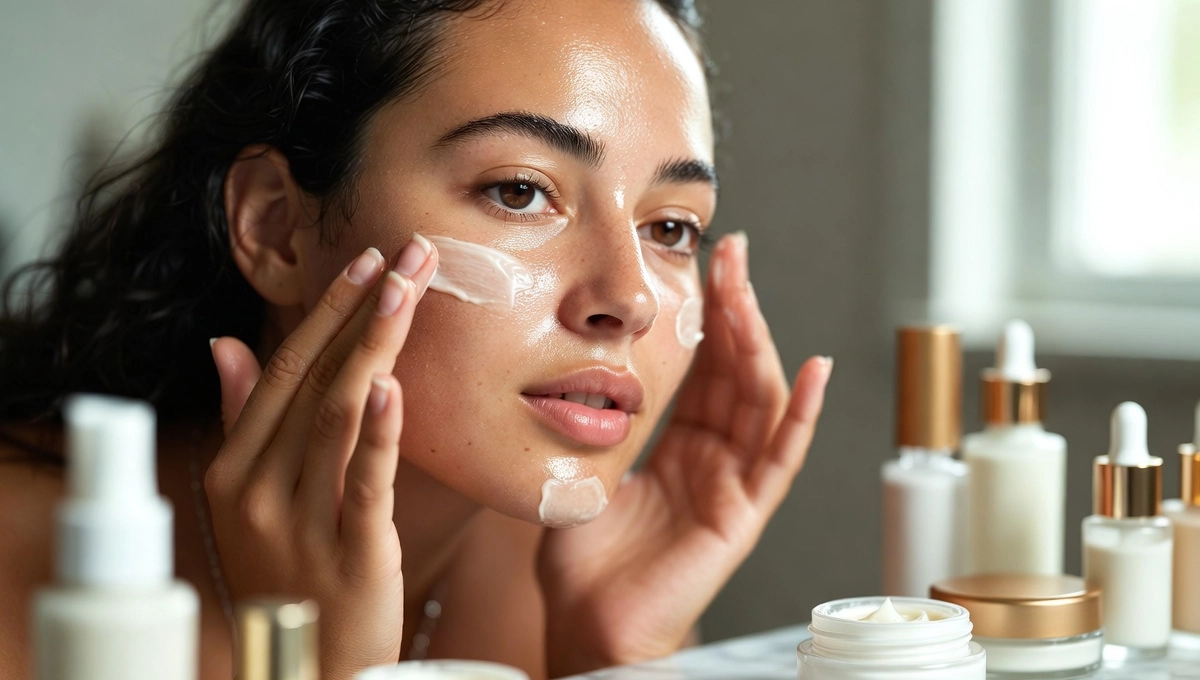
This is what a full lineup might look like — everything organized and ready:
Customizing for Skin Types
Oily or breakout-prone? Grab gel versions — COSRX snail mucin is a go-to because it hydrates without clogging. Dry or sensitive? Pile on hyaluronic acid and ditch scented anything.
New to this? Do a 5-step starter: cleanse, tone, essence or serum, moisturize, sunscreen. Keeps it simple so you don’t quit.
Daily vs. Nightly Variations
Mornings = protection with light layers and SPF. Nights = repair with richer stuff. In dry seasons, just add more moisture.
Top Korean Skin Care Products
Here are the ones people rave about in 2026.
Best Brands and Picks
- Beauty of Joseon: Relief Sun sunscreen — super light, zero white cast.
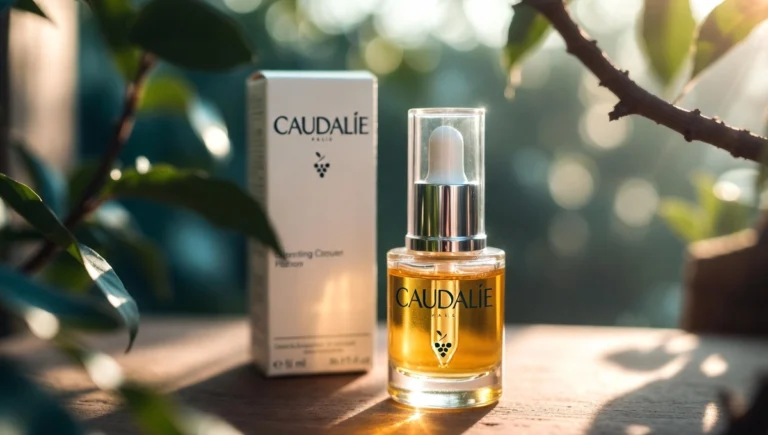
- COSRX: Snail mucin essence — repairs and hydrates like magic.
This is the famous COSRX snail mucin in its jar — a total staple:
- Anua: Heartleaf toner — chills out irritated skin quickly.
And here’s that calming Anua heartleaf toner doing its thing:
- Torriden: Dive-in serum — intense but never sticky moisture.
Budget-Friendly Options: Plenty stay under $20 — Round Lab moisturizers are solid. Stick to legit spots like Ulta or Soko Glam to dodge fakes.
Viral Trends to Try: PDRN serums for repair are blowing up. Cooling gels feel great when it’s hot.
Current Trends in K-Beauty
2026 is all about smarter, shorter routines. Medicosmetics bring clinical stuff into daily use — PDRN, exosomes for healing.
Sustainability’s getting real — better packaging, ethical ingredients. Haircare’s crossing over, too, with scalp stuff. The vibe is minimal but multi-tasking.
Challenges and Pain Points
It’s not always smooth sailing. Some break out when starting (that’s purging). Trick: add one thing at a time and test on your arm first.
Imports can cost more, but dupes from big stores help. Not every viral thing is life-changing — pick what fits you.
Acne-prone? Skip thick oils. Centella stuff calms without trouble.
Korean vs. Western Skin Care
Korean is about prevention with gentle layers. Westerners usually hit problems hard with stronger activities.
Korean sunscreens win hands-down for feel — no grease. Lots of people mix: K-beauty moisture plus Western targeted serums.
Conclusion
Korean skin care is all about smart, gentle routines that prioritize hydration and barrier health. Start simple—cleanse, hydrate, and protect your skin daily—and watch your natural glow develop over weeks. From beginner-friendly products like COSRX snail mucin essence to high-tech medicosmetics like PDRN serums, there’s something for every skin type. Stick to what works for you, patch-test new items, and embrace “intelligent minimalism” in your routine. Your skin will thank you with that coveted glass-like radiance—healthy, plump, and luminous.
FAQs
What is the 10-step Korean skin care routine?
The 10-step Korean skin care routine is a layered approach that focuses on hydration, protection, and prevention rather than just fixing skin problems. Typically, it starts with an oil-based cleanser to remove makeup and sunscreen, followed by a water-based cleanser for gentle cleansing. Next comes exfoliation (2–3 times a week), toner to balance pH, essence for deep hydration, serum targeting specific concerns, eye cream for delicate under-eye skin, moisturizer to lock in hydration, sunscreen in the morning for protection, and optional sheet masks for extra nourishment. You don’t have to do all ten steps at once—many beginners start with a simplified 5-step routine and build up gradually.
What are the best Korean skin care products for beginners?
For beginners, gentle, effective, and affordable products are ideal. COSRX Snail Mucin Essence is a favorite because it hydrates, repairs, and supports skin barrier health without irritating. Beauty of Joseon Relief Sun is a lightweight sunscreen that protects without leaving a greasy feel. Anua Heartleaf Toner is excellent for calming redness and balancing sensitive skin. Starting with just cleansing, moisturizing, and sun protection is enough to see noticeable improvement in hydration and overall skin health before layering in more steps.
How can I achieve glass skin with Korean skin care?
Glass skin is all about smooth, plump, and luminous skin that appears almost translucent. Achieving it requires consistent hydration, gentle exfoliation, and a few layering tricks. Use essences and lightweight serums daily, layer sheet masks a few times a week, and follow with a moisturizer and sunscreen. Ingredients like hyaluronic acid, niacinamide, and centella help calm, brighten, and trap moisture. Most people notice gradual improvement within 4–6 weeks if they stick to a routine that prioritizes barrier health and hydration over harsh treatments.
Is Korean skin care suitable for acne-prone skin?
Yes! Korean skin care is known for its gentle, non-comedogenic approach, which makes it ideal for acne-prone skin. Look for products with niacinamide, centella, and lightweight hydrating gels that calm inflammation without clogging pores. Avoid thick oils or heavy creams initially. Starting slow, introducing one product at a time, and patch-testing ensures your skin adapts without breakouts. Layering light moisturizers and using soothing toners can help regulate oil while preventing irritation.
Are Korean skin care products worth the hype?
Absolutely—but with some caveats. Korean skin care focuses on prevention, hydration, and gentle care, rather than quick fixes. Products often combine traditional ingredients like rice extract with modern innovations like PDRN and exosomes for repair and rejuvenation. While some viral products may be more hype than results, simple routines with proven staples like snail mucin essence, lightweight sunscreens, and gentle exfoliators usually deliver noticeable hydration, improved texture, and a radiant glow. Choosing products based on your skin type rather than trends is key.