
Orgenoa: Japanese Organic Hair Care Essentials 2026
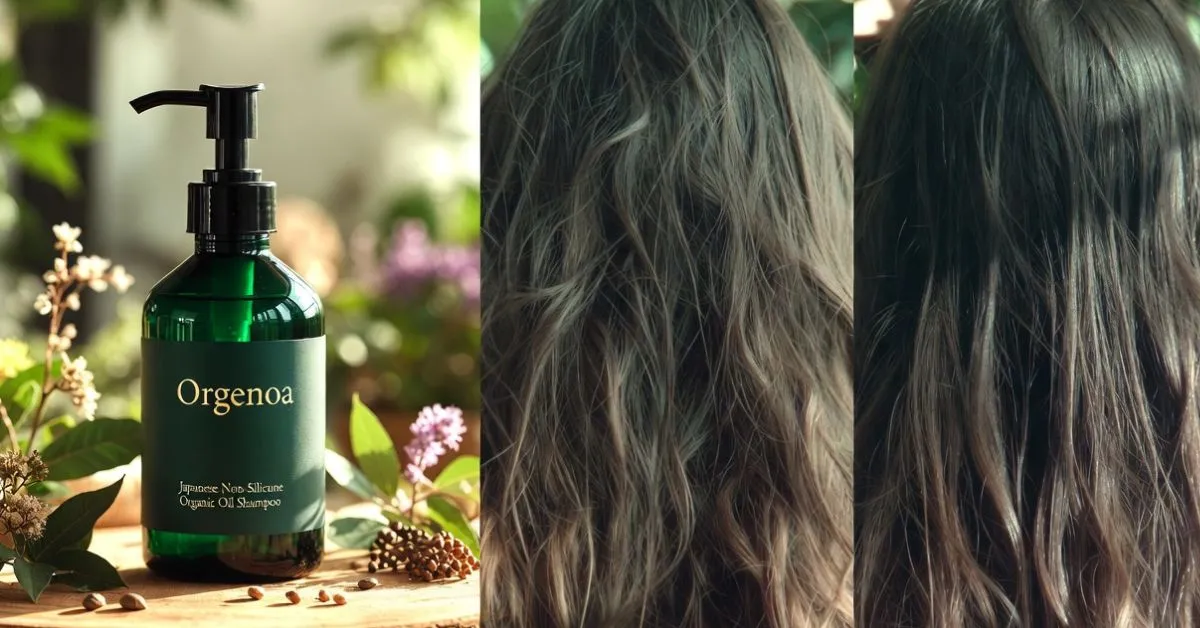
Curious about Orgenoa, the Japanese non-silicone organic oil shampoo? Here’s an honest guide: what the name refers to, how Japanese organic-oil hair care works, and — importantly — verified alternatives you can actually buy in Australia in 2026, since Orgenoa itself is extremely hard to find.
Have you ever stumbled on a hair product that’s hard to track down but sounds perfect for what your hair needs? That’s the situation with Orgenoa. It’s described in older online posts as a Japanese brand using organic oils to cleanse and care for hair without silicones. If your hair feels dry, damaged from colouring, or weighed down by heavy products, the idea behind it is worth understanding — even if the brand itself is elusive today. Let’s talk honestly about what it is, what we can and can’t verify, and what to buy instead.
Key Takeaways
- Orgenoa is described as a Japanese organic-oil, silicone-free shampoo line — but it can’t be verified as an active brand today: its official site is unreachable and it has no verifiable retail presence.
- The underlying concept (plant oils instead of silicones) is legitimate and widely available from verified Japanese brands.
- Verified alternatives in Australia include Tsubaki, Moist Diane, &honey, Botanist, and Ichikami.
- Silicone-free suits some hair types beautifully and others not at all — here’s how to tell which you are.
- In Australia, buy Japanese hair care from Priceline, Chemist Warehouse, or reputable importers like Stylevana that ship here.
What Is Orgenoa — and What’s Verifiable?
Let’s be upfront. Older posts describe Orgenoa (sometimes spelled Orujenoa) as a Japanese hair care line built around “organic oil shampoo” — plant oils like argan and jojoba doing the conditioning work instead of silicones, with product names like Rich Repair, Honey Grace, and Neo Moist mentioned in 500ml bottles.
What I couldn’t verify: an active official website (orgenoa.com doesn’t load), any current retailer stocking it, or independent reviews from the last few years. That doesn’t definitively prove the brand never existed — small Japanese domestic brands come and go, and many never sell outside Japan — but it means I can’t confirm its current products, ingredients, or availability as facts.
So treat the Orgenoa name as background context, not a shopping recommendation. The genuinely useful part is the category: Japanese silicone-free, oil-based hair care. That category is real, well-documented, and easy to buy in Australia. The rest of this guide focuses on that.
How Japanese Organic-Oil Hair Care Works
The concept is simple: instead of coating hair with silicones for slip and shine, these formulas use plant oils — argan, jojoba, camellia (tsubaki), olive — plus amino-acid cleansers that wash gently without stripping.
Why people like it: hair feels lighter, scalp irritation drops for some users, and colour can fade more slowly because cleansing is milder. Why some people don’t: without silicones, very damaged or coarse hair can feel rougher at first, and fine hair can fall flat if oils are too heavy. There’s no universal winner — it’s about your hair type.
In Japan, scalp care gets the same seriousness as skincare — the “scalp as soil” idea. Gentle, regular nourishment rather than occasional harsh resets. That philosophy is worth adopting whatever brand you buy.
Verified Alternatives You Can Buy in Australia
These are real, established Japanese brands with verifiable Australian availability:
- Tsubaki (Shiseido) — the easiest to find. The camellia-oil shampoo and conditioner are stocked at Priceline and Chemist Warehouse in many locations, and Australian Asian-beauty stores sell the 490ml shampoo for around $17 AUD. Note: Tsubaki does contain silicones, so it’s not strictly in the silicone-free camp — but it’s the closest easy local buy for Japanese oil-based care.
- Moist Diane — argan-oil-focused Japanese brand, widely available on Amazon Australia and through importers. Good for damaged hair on a budget.
- &honey — honey and argan oil formulas, huge in Japan. Available in Australia via Stylevana, which ships here reliably. Expect to pay a premium over domestic prices once shipping is factored in.
- Botanist — plant-based Japanese brand with genuinely silicone-free options. Available through Amazon Australia and specialist importers.
- Ichikami (Kracie) — Japanese herbal formulas with rice bran and camellia. Find it via Amazon Australia or Asian grocery-linked beauty sellers.
Tip: buy from trusted sellers and check expiry dates on imported stock. If a deal looks too good, it probably is — counterfeit Japanese beauty products are a real problem on marketplace platforms.
Silicone-Free: Is It Right for Your Hair?
Silicone-free works best for: fine hair that gets weighed down, scalps prone to buildup itch, and curl routines (the curly-girl method avoids silicones). Our guide to short curly hairstyles for men touches on why curls and gentle cleansing pair well.
It works less well for: heavily bleached hair that needs the smoothing silicones provide, and very coarse hair in dry climates. If your hair feels like straw after switching, that’s data — not failure. You can also go hybrid: silicone-free shampoo with a silicone conditioner, which many people find is the sweet spot.
How to Use Oil-Based Shampoo Properly
It fits into a routine easily:
- Wet hair thoroughly with lukewarm water.
- Apply a small amount of shampoo — these formulas are concentrated.
- Massage the scalp gently, then work through the lengths.
- Rinse well, then apply treatment or conditioner for a couple of minutes and rinse.
For very dry hair, wash 2–3 times weekly; use masks weekly. If your scalp is sensitive, dilute the shampoo with water in your palms first. Finish with cooler water to smooth the cuticle. In hard-water areas (parts of Adelaide and Perth), a monthly clarifying wash prevents mineral buildup dulling the results.
Caring for Colour-Treated Hair
Mild, oil-based cleansing helps colour stay vibrant longer because it strips less than harsh shampoos. Pair with cool rinses, less frequent washing, and a colour-safe conditioner. Australian summers are brutal on colour — UV fades dye fast — so a hat at the beach does more than any shampoo.
What to Look for on the Label
Whether you buy Japanese imports or local products, the label tells you what matters:
- Cleansers: look for amino-acid-based surfactants (sodium cocoyl glutamate, sodium lauroyl methylaminopropionate) — gentler than harsh sulfates.
- Oils: argan, jojoba, camellia, and squalane high on the ingredient list mean the oils are doing real work, not just label decoration.
- Silicones: anything ending in “-cone” or “-xane” (dimethicone, cyclopentasiloxane). Their absence is the whole point of the silicone-free category — but remember, they’re not villains, just a choice.
- Fragrance position: if “parfum” sits near the top, sensitive scalps may react. Lower is better.
You don’t need a chemistry degree — just a habit of flipping the bottle before it goes in the cart.
The Japanese Hair Care Philosophy, Briefly
Japanese hair care treats the scalp with the same seriousness as facial skincare: gentle daily maintenance beats occasional harsh resets. Double-shampooing (a light first cleanse, then a proper second), regular scalp massage to boost circulation, and treatments left on for real minutes rather than rushed rinsing. Adopt the habits and you’ll get most of the benefit whatever brand you buy — including the verified alternatives listed above.
The Transition Period: What to Expect
Switching from silicone-heavy products to silicone-free often comes with a 2–4 week adjustment. Hair can feel drier or less slippery at first — that’s the silicone coating washing away, revealing your hair’s actual texture. Don’t judge the new routine on day three. Give it a full month, clarify once at the start to remove old buildup, and deep-condition weekly during the transition. If hair still feels like straw after a month, the formula isn’t right for your hair type — try a different oil base or go hybrid rather than forcing it.
FAQs
What is Orgenoa shampoo?
Orgenoa is described in older online posts as a Japanese non-silicone organic oil shampoo brand using plant oils and amino acids. However, it can’t be verified as an active brand today — its official site is unreachable and no current retailers stock it.
Can I buy Orgenoa in Australia?
No verified Australian retailer stocks it, and its official site doesn’t load. You’re better off with verified Japanese alternatives like Tsubaki (at Priceline/Chemist Warehouse), Moist Diane, &honey, Botanist, or Ichikami via Amazon Australia or Stylevana.
Is silicone-free shampoo better for damaged hair?
It depends. Silicone-free suits fine hair, sensitive scalps, and curl routines. Heavily bleached or very coarse hair often does better with some silicone smoothing. A hybrid routine — silicone-free shampoo, silicone conditioner — works for many.
How does organic oil shampoo differ from regular shampoo?
Instead of silicones for slip and shine, it uses plant oils like argan, jojoba, or camellia, usually with gentler amino-acid cleansers. Hair feels lighter and more natural, though very damaged hair may initially feel less smooth.
What should I check when buying Japanese shampoo imports?
Buy from reputable sellers, check expiry dates, and be wary of prices far below market — counterfeits are common. Stylevana and Amazon Australia (sold-by-Amazon or high-rated sellers) are safer bets than random marketplace listings.
The bottom line: don’t chase a brand you can’t verify. The Japanese oil-based hair care idea is sound — just buy it from brands that actually exist on shelves you can reach. Your hair won’t know the difference, and your wallet will thank you. For more on what these formulas do, the basics of plant oils in cosmetics are a good primer.